
Last updated August 25, 2026
Free on-site gate assessment - hinges, posts, and your LiftMaster or Nice gate operator checked before anything is quoted
The assessment is free and the quote is the invoice.
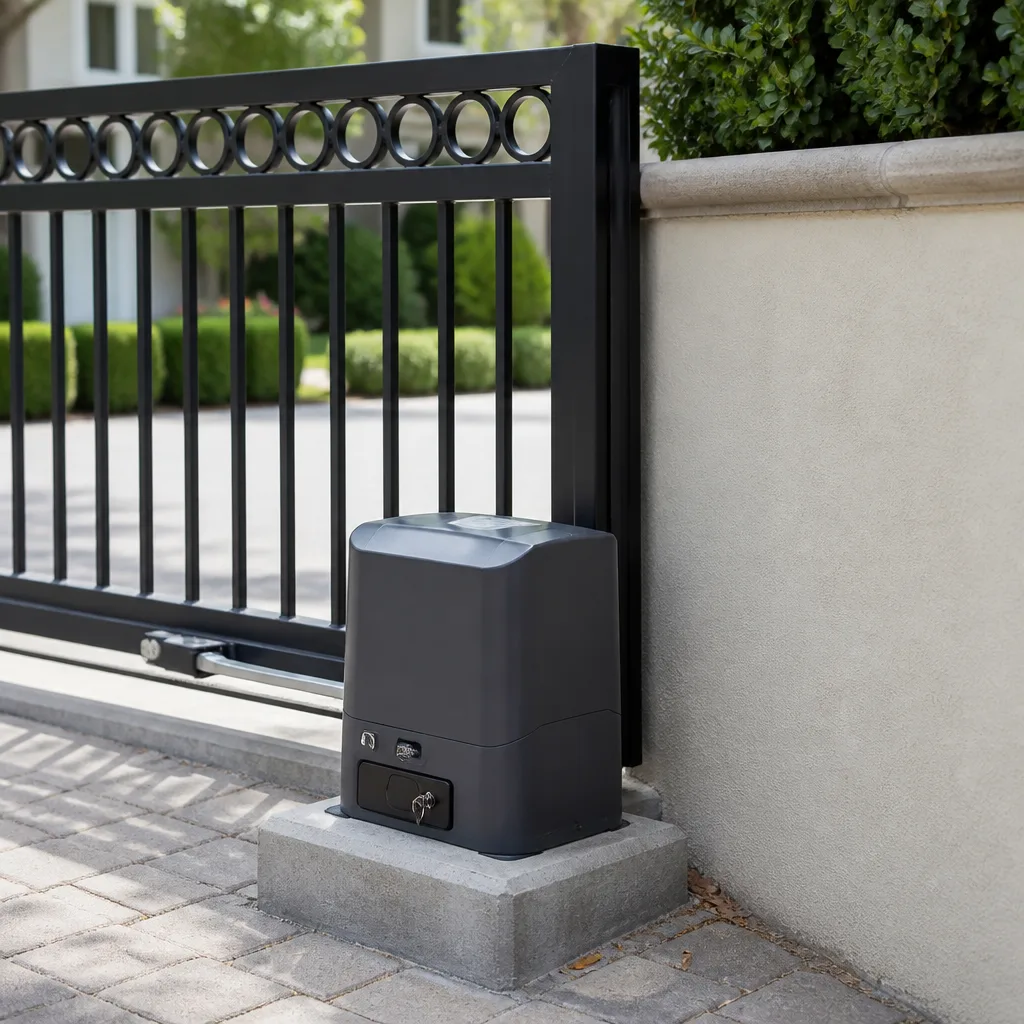
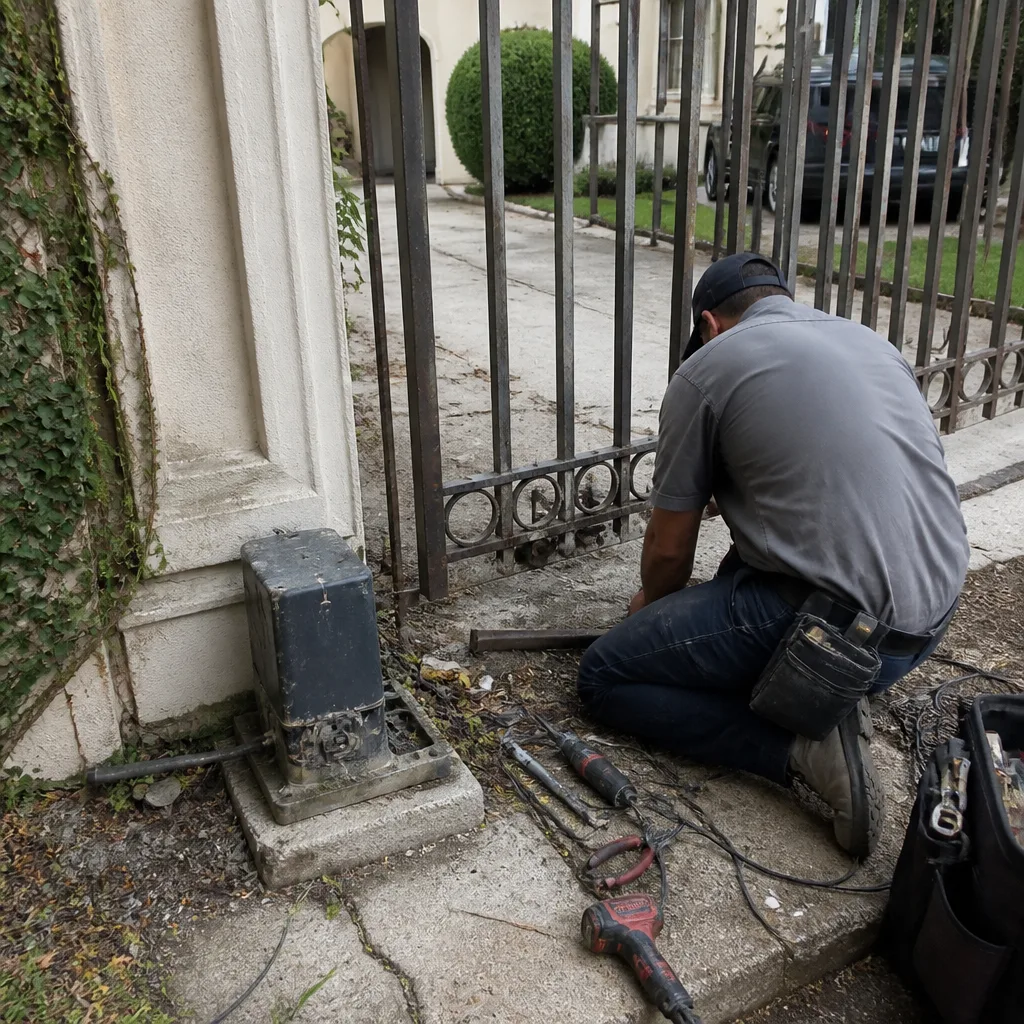 Before
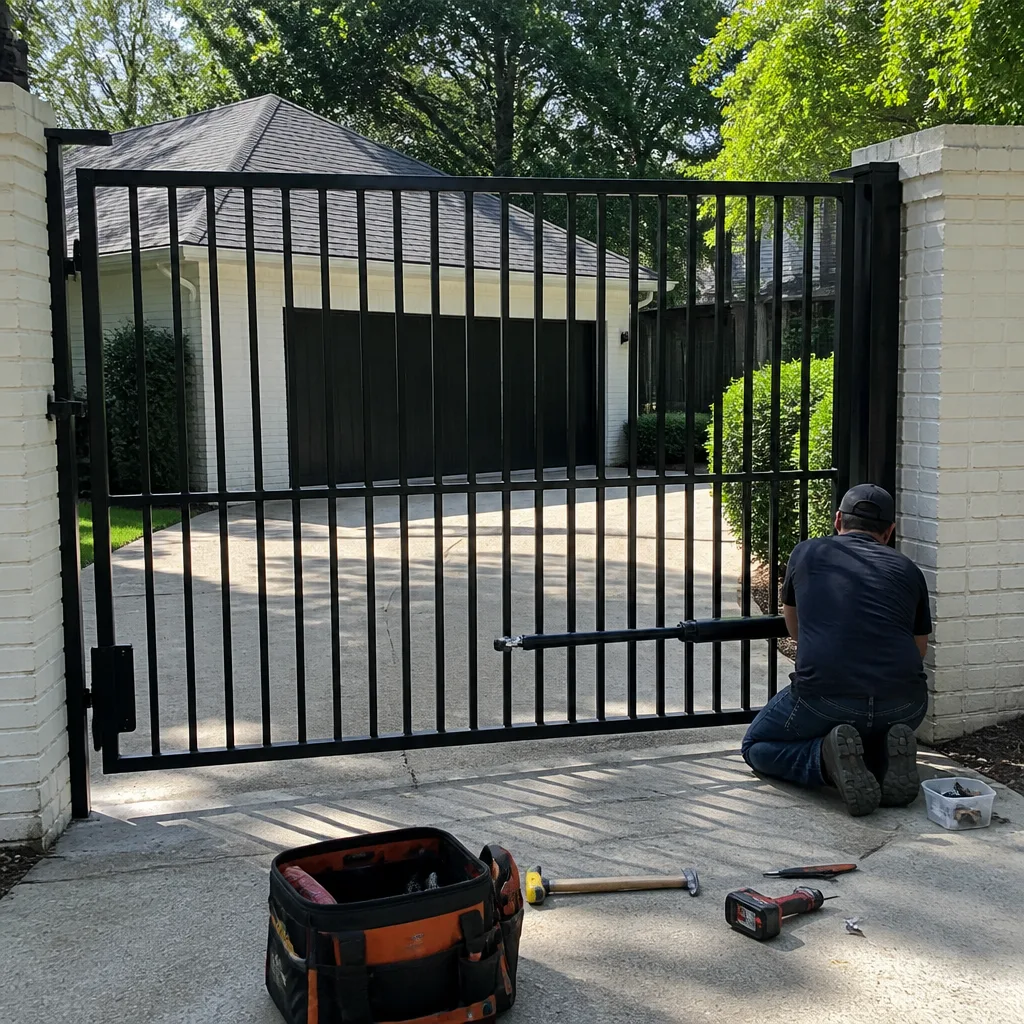 After
After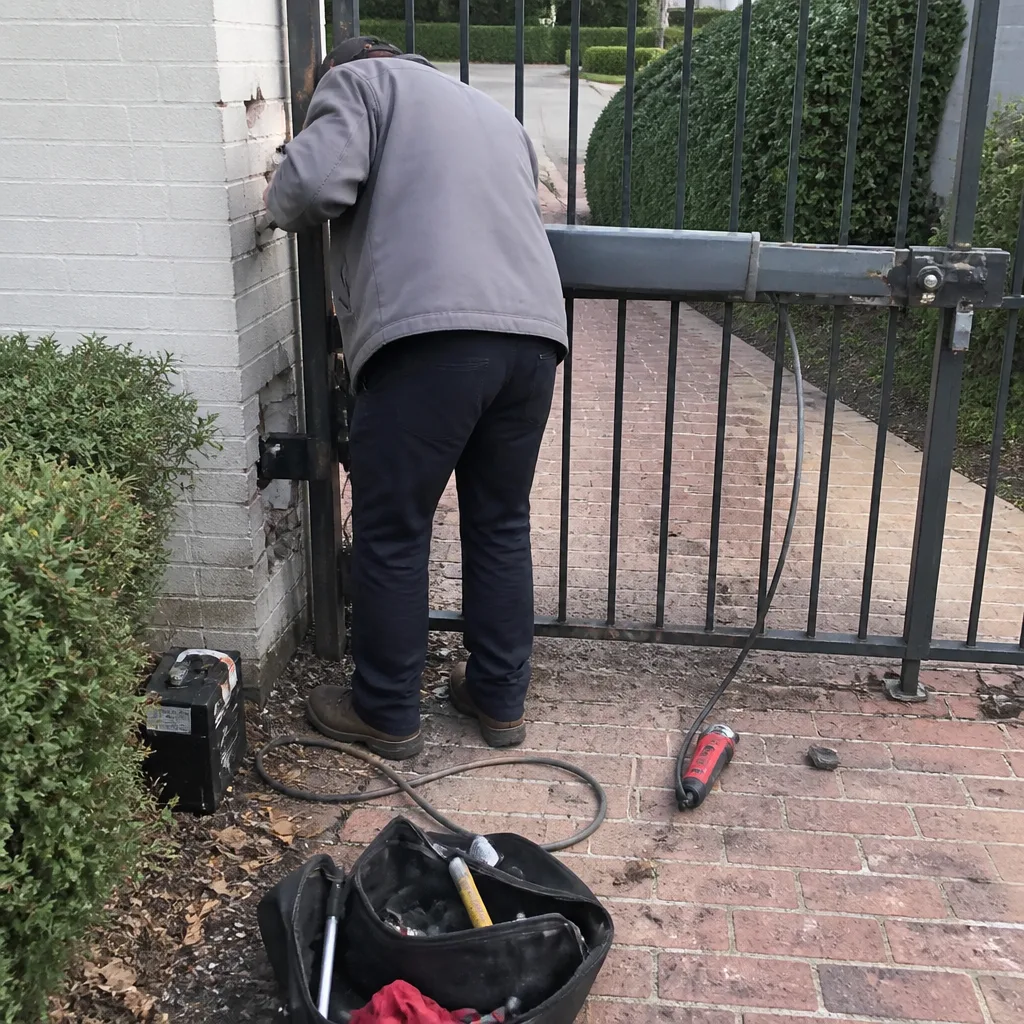 Before
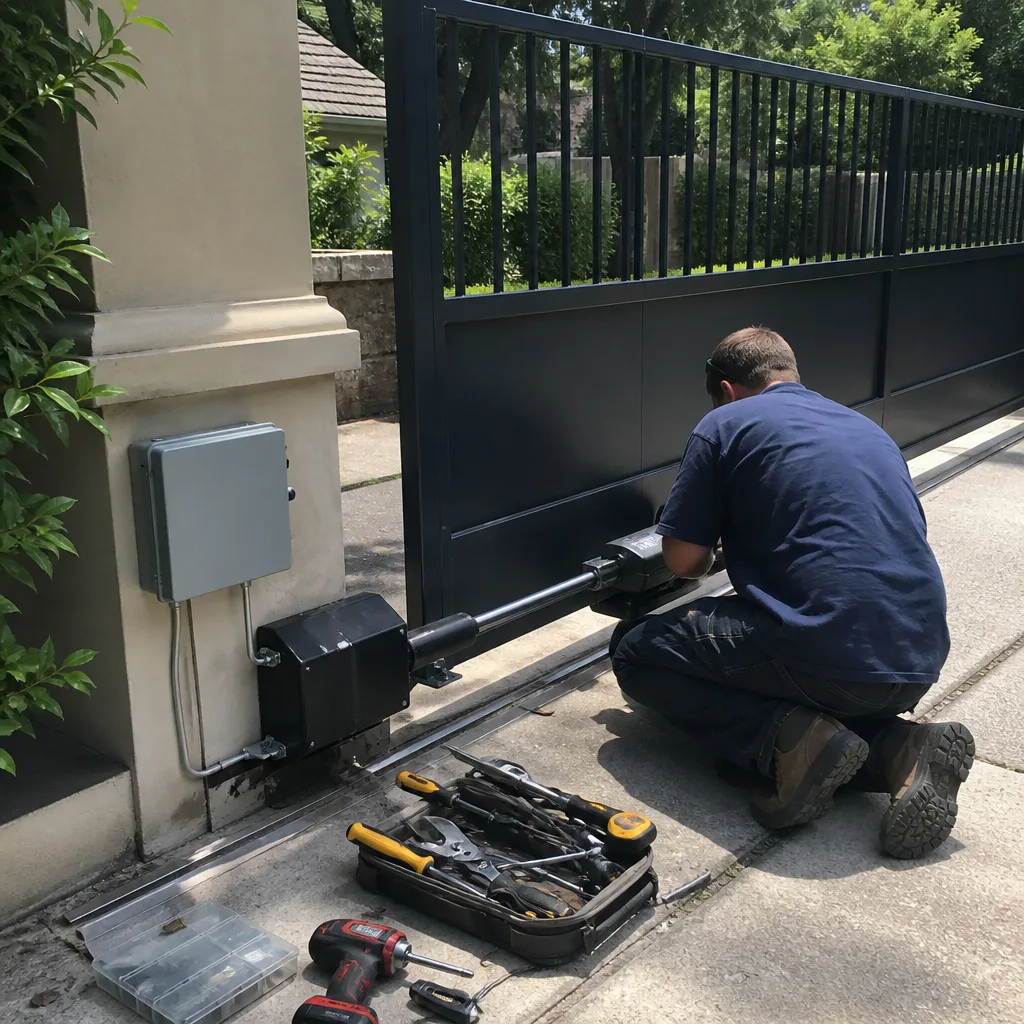 After
After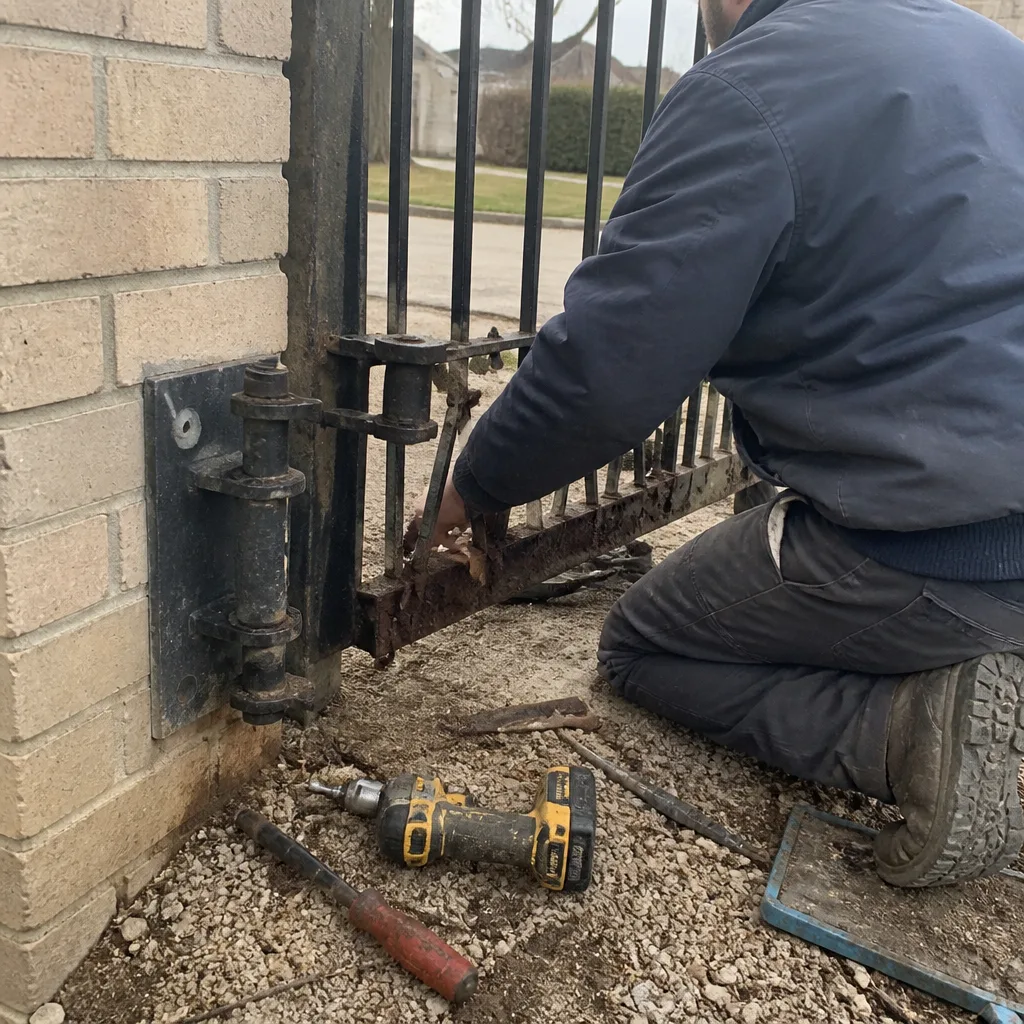 Before
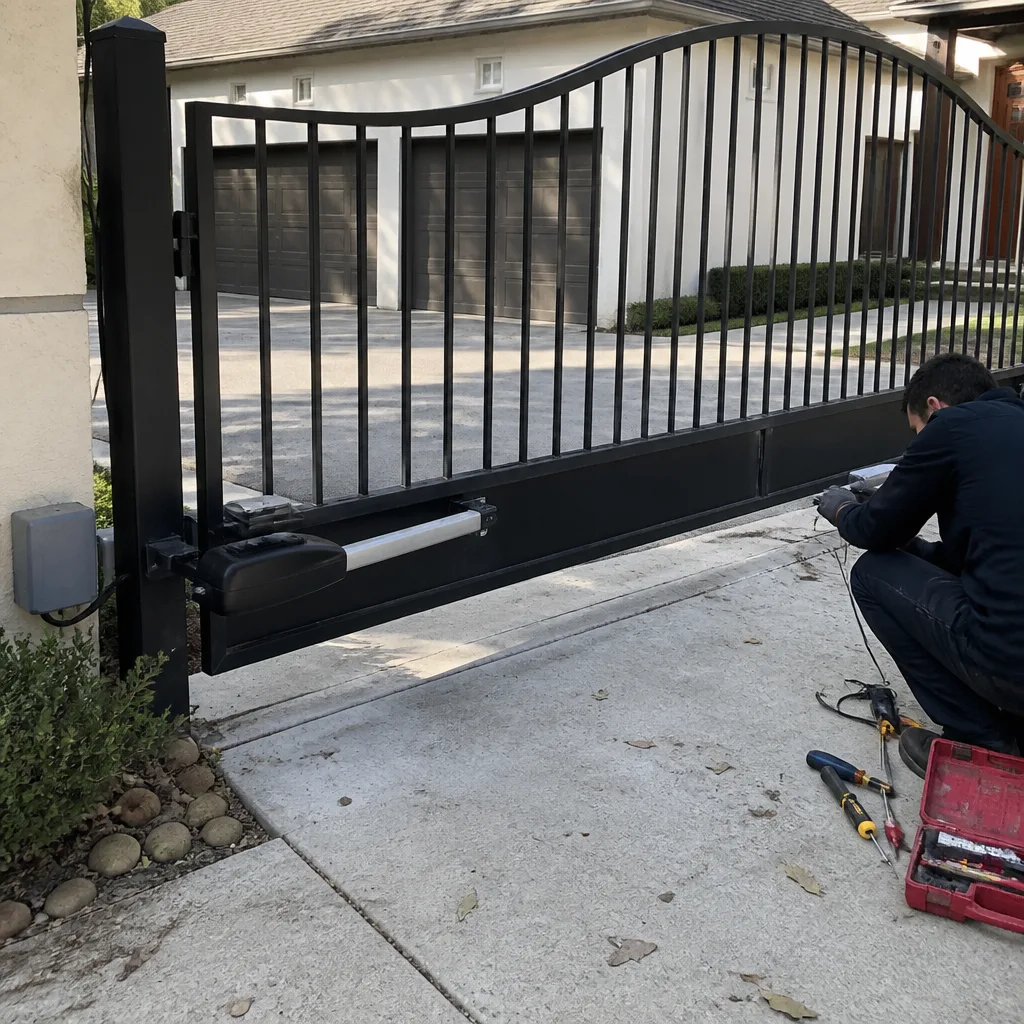 After
AfterSeasonal Gate Repair Care for Highland Park: Year-Round Homeowner’s Guide
A driveway gate in Highland Park takes more weather in a single year than most gates in other parts of the country take in five. The clay soil shifts, the summer heat bakes powder coat until it chalks, and the spring storms push water into hinge pockets where it sits for weeks. Most gate failures here don’t start with a broken motor. They start quietly, months earlier, with something small that got ignored. This guide walks you through what to check each season, what to let a professional handle, and how to keep a Highland Park gate running the way it should: quietly, reliably, and for decades. You’ll learn the seasonal routines that prevent the big repair bills, the specific ways Dallas area weather works against iron and steel, and the one maintenance task most homeowners skip until it costs them a motor.
Quick Answer
Seasonal gate care in Highland Park means spring rains and soil movement require hinge and sensor checks, summer heat requires lubrication and limit-switch testing on opener arms, fall requires clearing leaf debris from tracks and photo-eye lenses, and winter’s rare hard freezes require checking for ice-bonded gates before forcing an opener. Doing this once each season prevents roughly 70% of the motor and hinge failures we see, and a full seasonal tune-up from a gate specialist typically runs about $89.
Table of Contents
- Why Highland Park Weather is Harder on Gates Than You Think
- Spring: The Season of Shifting Soil and Storm Debris
- Summer: Heat, Expansion, and the Opener Motor’s Worst Enemy
- Fall: Leaf Litter, Rain Gaps, and Rust on the Move
- Winter: Ice, Contraction, and the Cold-Weather Battery Problem
- The 10-Minute Monthly Gate Walkaround
- Common Mistakes to Avoid
- When to Call a Professional
- Frequently Asked Questions
- The Bottom Line
Why Highland Park Weather is Harder on Gates Than You Think
Highland Park sits on expansive clay soil that swells when wet and shrinks when dry. That movement transfers straight into your gate posts. A post that was plumb in April can be leaning a quarter-inch by August, and a quarter-inch at the post means the gate leaf travels half an inch out of alignment at the latch. Wrought iron and steel don’t flex with that movement either. Bolts loosen. Hinge pins bind. The opener arm starts fighting the weight instead of carrying it. Homeowners who have lived in Highland Park for twenty or thirty years know this soil better than most. They’ve seen what it does to sidewalks and driveways. What they don’t always realize is that their gate is mounted on the same shifting ground, and it needs the same seasonal attention.
The second thing working against a Highland Park gate is the heat. Dallas summers produce weeks of triple-digit temperatures, and black iron gates absorb that heat all afternoon. Surface temperatures on a black steel gate in August can exceed 150 degrees. That heat causes metal to expand, which changes the gap clearance between the gate leaf and the post. It also thins the lubricant inside opener gearboxes, and it bakes the grease out of hinge pins until they run dry and start grinding. A gate that swings freely at 70 degrees may drag at 105. The opener motor doesn’t understand why. It just works harder, pulls more amperage, and trips its thermal overload. Over a full summer, that repeated strain shortens the life of a motor by years.
The Cost of Ignoring a Seasonal Rhythm
Gate repair in Highland Park follows a pattern we’ve seen every year since 1984. Spring brings latch alignment calls. Late summer brings motor failures. October brings photo-eye and limit-switch issues. January brings the occasional frozen hinge and the dead backup battery. Those calls are predictable enough that you could set a calendar by them. The homeowners who call us in March for a tune-up are rarely the ones calling in August with a dead motor. The maintenance doesn’t cost much compared to what it prevents, and every season has its own short list of things to check.
Spring: The Season of Shifting Soil and Storm Debris
Spring in Highland Park is when the ground does its biggest movement of the year. The rains come, the clay swells, and every post on your property shifts slightly. On a gate, that shift shows up first at the latch. If the gate was installed correctly, the latch should engage the receiver post without dragging or slamming. If you hear metal scraping metal when the gate closes in April, the posts have moved. Don’t ignore it. The longer a gate runs out of alignment, the more the opener arm and hinge welds work against themselves, and the repair gets more expensive the longer it waits.
Spring checklist for Highland Park gate owners:
- Test the latch by closing the gate slowly and watching where the latch bolt meets the receiver. If it catches the edge of the receiver plate, alignment has shifted.
- Walk the gate leaf full open and full closed while watching the gap between the leaf and the post. The gap should stay even all the way through the swing.
- Inspect hinge pins for rust streaks running down from the pivot point. Rust-colored drips mean water got inside and the pin is corroding from within.
- Clear storm debris from the bottom track if you have a slide gate. Gravel, twigs, and mud collect in the track and get ground into the rollers.
- Check the photo-eye sensors on both sides of the opening. Spring pollen and rain splash coat the lenses and cause false obstruction readings.
Highland Park landscaping also matters in spring. Fast-growing vines like jasmine and fig ivy climb gate posts within a single season. They hold moisture against the steel, which accelerates rust, and the tendrils work their way into sensor housings and hinge gaps. Cut them back twice each spring. Keep at least six inches of clearance between live vegetation and any metal surface on the gate.
One more thing spring brings here: the first heavy thunderstorm, which is often the first real test of a gate’s grounding and its motor’s weather seal. If your gate opener trips a breaker during a storm, or if the keypad acts erratically after heavy rain, that’s a sign of moisture ingress. It may dry out and work fine for a month, but the corrosion has started. Have it checked before summer heat makes the problem worse.
Summer: Heat, Expansion, and the Opener Motor’s Worst Enemy
Summer in Highland Park runs from May through September, and your gate opener gets most of its annual wear during those five months. The most common summer call we get is a motor that runs but doesn’t move the gate, or a gate that stops halfway through its travel. Both symptoms usually trace back to one of two things: dry hinge pins forcing the motor to pull more amperage, or thermal expansion changing the swing clearance enough to bind the gate mid-cycle.
What heat actually does to a gate opener:
- The internal gearbox oil thins and migrates away from the worm gear, causing metal-on-metal wear you can’t see from outside.
- The circuit board expands and contracts, and old solder joints can crack and go intermittent only when hot.
- Limit switches inside the arm stretch and drift, so the gate over-travels and slams against its stops.
- The motor’s thermal overload trips more easily when ambient temperature exceeds 95 degrees, which is most of a Highland Park summer.
The best summer habit is simple: lubricate the hinges once a month during June, July, and August. Use a dry-film lubricant or a lithium grease made for metal pivots, not a penetrating oil that washes out in the first rain. A properly lubricated hinge should let the gate swing with one hand pushing near the latch side. If it takes two hands or the gate groans, the pins are dry and the motor is being asked to do work it wasn’t designed for. That’s how a $40 hinge problem becomes a $600 motor replacement.
Summer is also the season we see the most damage from the gate slamming against its open or closed stops. When metal expands, the physical length of the gate leaf changes by a small fraction of an inch. That fraction is enough to make the opener miss its limit and run the gate hard into the post. You’ll hear it as a sharp clank at the end of travel. That impact force travels through the leaf, into the hinge welds, and along the opener rail. Over a single summer, the repeated impacts can crack a weld or strip teeth off an opener rack. The fix is a ten-minute limit-switch adjustment that any qualified gate technician can do.
In our experience serving Highland Park since 2013, the summer months are not the time to put off a tune-up. The heat exposes every weak point in a gate system, and a small adjustment in June prevents a failure in August when the temperature is 104 and your gate is stuck halfway open across the driveway.
Fall: Leaf Litter, Rain Gaps, and Rust on the Move
After the heat breaks in October, Highland Park gates get a different kind of abuse: falling debris. Live oaks and pecans drop leaves, twigs, and husks that pile up around gate tracks, wedge under wheels, and coat the photo-eye lenses. Slide gates are especially vulnerable. A single pecan shell lodged in the track can derail a wheel, and a track full of wet leaves holds moisture against steel for weeks. Fall is the season to clean.
Fall maintenance steps in order:
- Blow out the entire track length with a leaf blower, then inspect for pebbles, shells, and debris embedded in the roller path.
- Wipe both photo-eye lenses with a dry cloth, then test the obstruction reverse by holding a gloved hand in the beam while the gate closes. It should stop and reverse immediately.
- Check all four faces of each post for paint bubbles or rust freckles. Fall’s cooler nights mean condensation forms on metal and lingers until mid-morning.
- Tighten every visible bolt on the hinge brackets, opener arm, and latch hardware. Summer expansion loosens bolts, and loose bolts in fall mean gates that rattle all winter.
- Test the keypad and remote range before the weather turns. Cold air changes battery performance, so replace remote batteries in October rather than waiting for the first cold snap to find them dead.
Rust is a slow-moving problem, which means fall is when you spot what summer started. Highland Park’s humidity combined with evening condensation means any scratch in the powder coat or paint that exposed bare steel during summer has now had several months to rust. Surface rust brushes off and can be spot-painted. Deep rust, the kind that flakes off in layers, needs grinding and repainting. If you catch it in October, it’s an afternoon repair. If you wait until the weld itself thins, it’s a section replacement.
Highland Park homeowners with original iron gates from the 1970s and 1980s should look closely at the bottom rail each fall. That’s the rail closest to the ground, and it takes decades of splash-up from rain and irrigation. We’ve rebuilt dozens of bottom rails on Heritage neighborhood gates, and in almost every case the owner could have saved the gate with a fall touch-up five years earlier.
Winter: Ice, Contraction, and the Cold-Weather Battery Problem
Highland Park doesn’t get the brutal winters of the Midwest, but it does get hard freezes, and those freeze events are when gates do strange things. Metal contracts in the cold. The gate leaf gets slightly shorter. The gap between the leaf and post opens up. And if there’s any ice in the hinge pins or along the bottom rail, the gate can freeze to the ground or the post. That’s when an opener gets damaged: not from the cold itself, but from pushing against a gate that won’t move.
The critical winter rule: if the gate doesn’t move freely by hand, do not force it with the opener. An opener motor stalled against an ice-bonded gate will strip its internal gear or burn out the capacitor within a few seconds. Put the opener in manual release mode, break the ice seal with warm water (never hot, never a torch), and let the gate move freely before re-engaging. If you’re not sure where the manual release is on your opener, this is the time to find out. The release cord or lever is usually on the opener arm itself, and the operator manual shows the exact procedure.
Winter checklist:
- Test the backup battery on your opener in December. Most backup batteries last 2 to 3 years, and the first cold snap is when they fail under load.
- Lubricate hinges with a cold-rated grease. Summer lithium grease thickens in freezing temperatures and can actually make the gate harder to move.
- Inspect the weather seal at the bottom of the gate. A torn seal lets cold air and water into the motor housing if the opener is mounted low.
- Check that the gate’s grounding wire is intact and the ground rod hasn’t been pulled loose by soil movement. Winter static electricity plays havoc with control boards.
Most Highland Park gate openers are mounted on the gate leaf or the post, fully exposed. They’re rated for outdoor use, but that rating assumes the seals are intact and the conduit is fitted properly. After a freeze-thaw cycle, plastic conduit fittings can crack. If you see any gap where wire enters the opener, seal it with outdoor-rated caulk before the next rain. Water that gets into the control board in winter may not fail until spring when corrosion finally breaks a trace.
The 10-Minute Monthly Gate Walkaround
The seasonal routines above are thorough, but nothing beats a short monthly check. Ten minutes is all it takes, and it catches problems before they become seasonal emergencies. This is what a monthly walkaround looks like at any Ironworks Gate Co. customer’s home in Highland Park:
- Listen to the gate. Open and close it once. A healthy gate is nearly silent except for the motor hum. Scraping, squealing, clanking, or groaning means something needs attention.
- Watch the swing. The gate should travel at an even speed with no stutter or lurch. A gate that slows down at one point in its arc is binding somewhere.
- Touch the hinges. They should be greased but not dripping. Dry, rust-colored, or gritty hinges need lubrication.
- Look at the ground clearance. The gate should clear the driveway by at least 2 inches at its lowest point. Less than that means soil buildup or gate sag.
- Check the photo eyes. Both lenses should be clean and pointed directly at each other. A blinking light on the sensor means misalignment or dirt.
- Test the reverse. With the gate closing, place a gloved hand in the photo beam. The gate should stop and reverse without hesitation.
That’s it. Ten minutes, once a month, and you’ll catch nearly everything the longer seasonal routines are designed to find. Gate problems in Highland Park don’t appear suddenly. They announce themselves weeks in advance. The monthly walkaround is how you hear the announcement.
Common Mistakes to Avoid
- Forcing an opener against a stuck gate. This is the single most common cause of motor destruction we see in Highland Park. If the gate won’t move by hand, the opener shouldn’t try to move it either. Release the opener and address the mechanical issue first.
- Using WD-40 on gate hinges. Penetrating oil washes out of hinge pins within weeks and leaves them drier than before. Use a grease or dry-film lubricant made for load-bearing metal pivots.
- Ignoring latch misalignment. When the latch starts catching differently than it used to, Highland Park soil movement has shifted a post. Letting it go for a season turns a post adjustment into hinge repair and opener replacement.
- Painting over rust without preparation. Paint over active rust buys a few months of cosmetics before the rust comes back through. The rust must be removed to bare metal first. Otherwise you’re sealing the problem under a fresh coat.
- Letting landscaping grow against the gate. Vines on gate posts hold moisture against steel all spring and summer. The kept landscape looks intentional in Highland Park, but the vine growing over your gate is slowly rusting it.
- Skipping the winter battery test. The backup battery silently dies around year three, and you won’t know it until the power goes out and the gate won’t open. Test it in December. It’s a two-minute check.
- Tightening loose bolts without checking the cause. A bolt that keeps coming loose is a signal that something is moving or vibrating. Re-tightening it every month masks the underlying problem. Find out why it loosened.
When to Call a Professional
Some gate work is routine and safe for a homeowner. Other work is genuinely dangerous and should be left to someone who does it every day. Any repair involving the opener motor’s internal wiring, the control board, or a high-voltage power run belongs with a licensed professional. Gates are heavy, and a gate that falls off its track or a spring-loaded anti-sag mechanism that releases can injure someone badly. If your gate has a welded crack at a hinge point, a bent track, a motor that hums but won’t move, or any electrical fault where the opener trips breakers or gives a shock to the touch, stop and call someone who is trained. Ironworks Gate Co. offers free estimates in Highland Park, and we’re happy to look at a problem and tell you honestly whether it’s urgent or can wait. If it’s urgent, we’ll tell you that too. Call (936) 277-6521.
Frequently Asked Questions
A seasonal gate tune-up in Highland Park typically runs $89 and includes hinge lubrication, limit-switch adjustment, photo-eye cleaning and alignment, track cleaning, bolt torquing, and a battery test. This is maintenance pricing, not repair pricing. If the tune-up uncovers a problem, we show you a written price before any repair work is approved. Call (936) 277-6521 to schedule a tune-up before the next season turns.
Once a year at minimum, twice a year if the gate is heavily used or older than 25 years. Gates that cycle more than 20 times a day, which is common for families with multiple cars and daily deliveries, wear noticeably faster. An annual tune-up catches the mechanical wear, and a second one in the fall addresses the rust and moisture issues summer created. Our $89 Seasonal Tune-Up covers the full routine.
The most common seasonal repair we see in Highland Park is a failed opener motor in late summer, almost always caused by the cumulative strain of dry hinges, thermal expansion, and missed limit-switch adjustments through June and July. The second most common is a post shift in spring that throws off latch alignment and stresses the opener arm. Both are preventable with seasonal maintenance.
Most repair calls are completed same-day or next day, yes. If it’s an emergency, like a gate stuck open or closed and blocking the driveway, call (936) 277-6521 and a live person answers 24 hours a day. Highland Park is our home territory, and we keep trucks and parts on hand for common failures.
Yes, and they should be tested annually. A backup battery typically lasts 2 to 3 years, and in our experience the first cold snap of winter is when they fail. A dead backup battery means the gate won’t operate during a power outage. That’s a situation every Highland Park homeowner wants to discover on a calm December afternoon, not during an ice storm.
Lubricate the hinges. It’s the simplest action with the largest impact on the rest of the system. Dry hinges force the opener motor to work harder, which causes thermal strain, limit drift, and premature motor failure. If you do nothing else, keep those hinge pins greased every month during summer and you’ll add years to your opener. Call (936) 277-6521 if you want our team to handle the full seasonal routine, and we’ll set you up on a schedule that matches your gate’s age and usage.
The Bottom Line
A Highland Park gate is an iron gate in a clay-soil, heat-heavy, storm-prone environment, and it needs a rhythm of care that matches the calendar. Spring is about soil movement and latch alignment. Summer is about heat strain and lubrication. Fall is about debris and rust. Winter is about ice, contraction, and batteries. Ten minutes a month and one thorough service each season keeps a gate running for decades instead of failing in August. The gates that close like the day they were hung, forty years later, are the ones maintained on schedule. The gates that fail are the ones fixed only after they break. Ironworks Gate Co. has been setting that schedule for Highland Park homeowners since 2013, and we’re glad to set one for you. Call (936) 277-6521 for a free estimate, and keep your gate closing right all year round.
Written by Victor Salinas, Owner at Ironworks Gate Co., serving Highland Park since 2013.