
Last updated August 25, 2026
Free on-site gate assessment - hinges, posts, and your LiftMaster or Nice gate operator checked before anything is quoted
The assessment is free and the quote is the invoice.
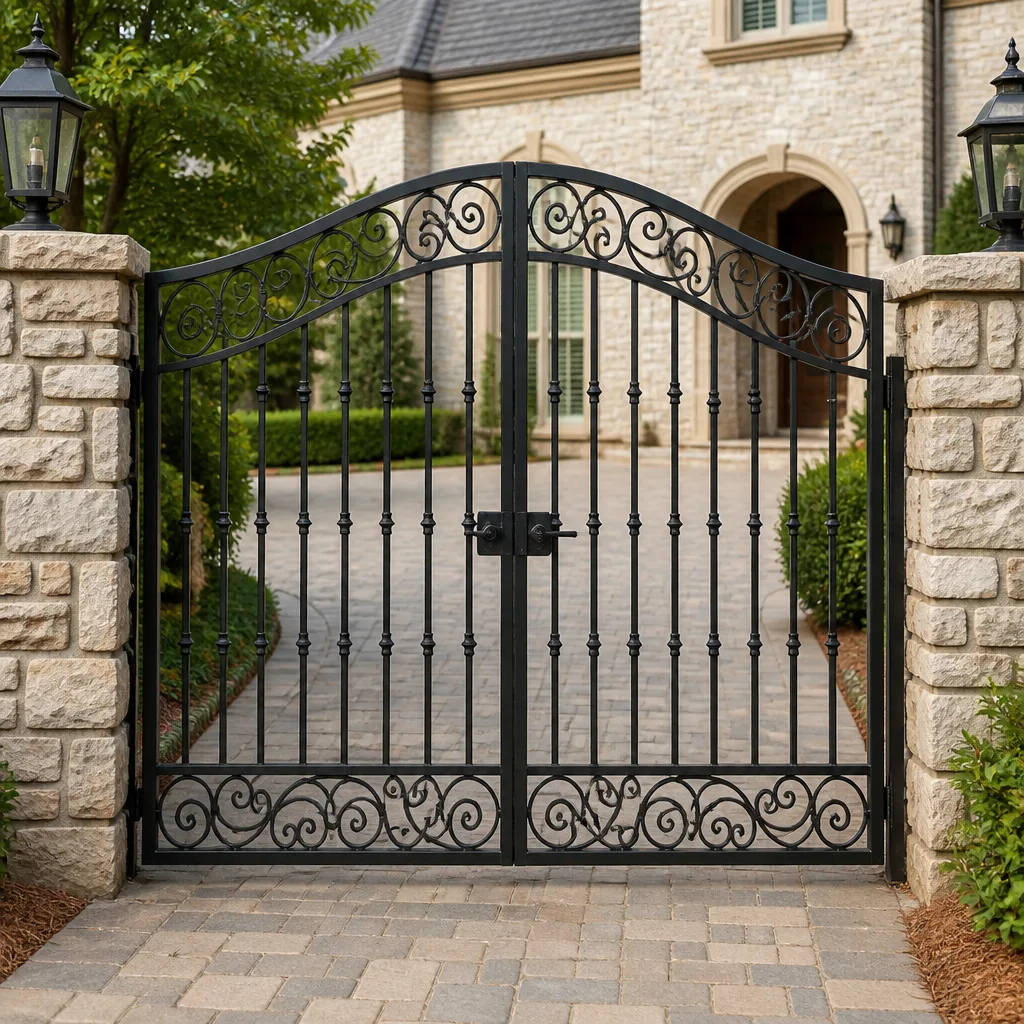
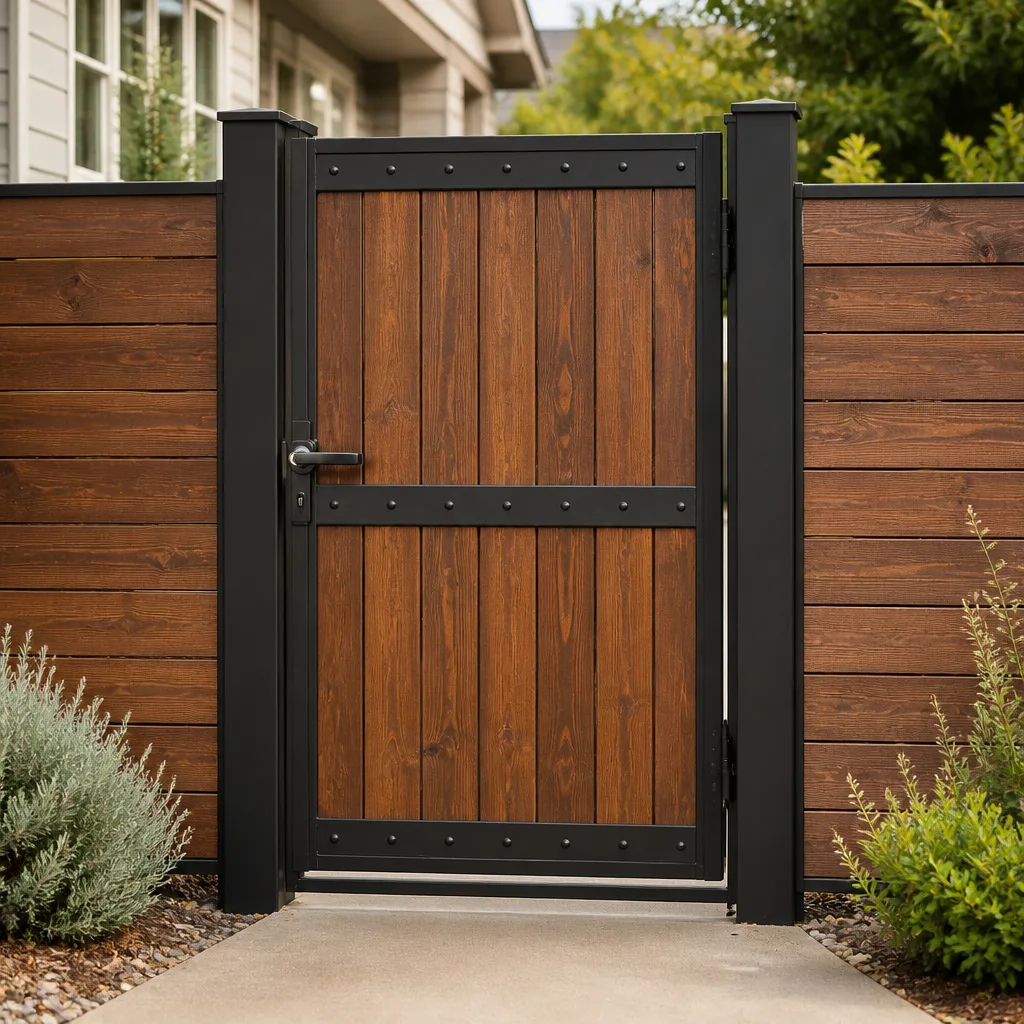
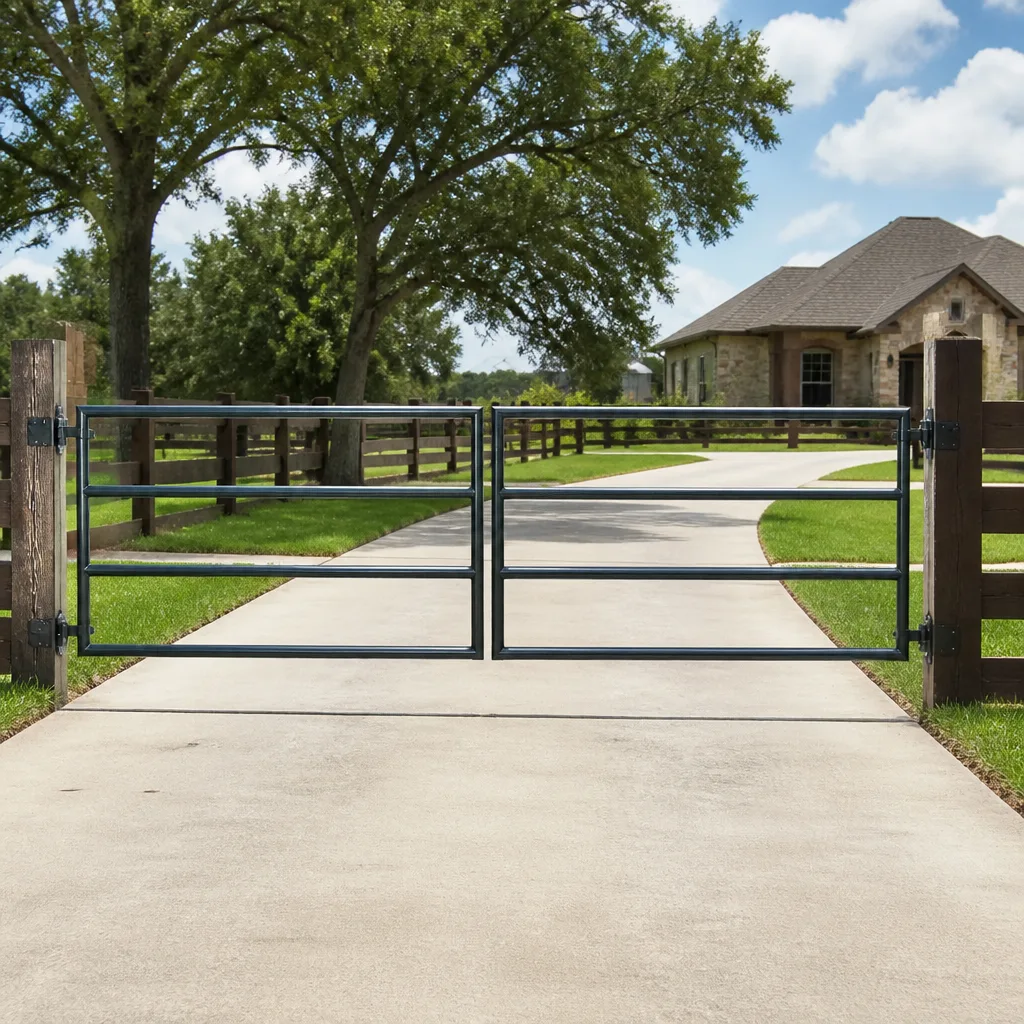
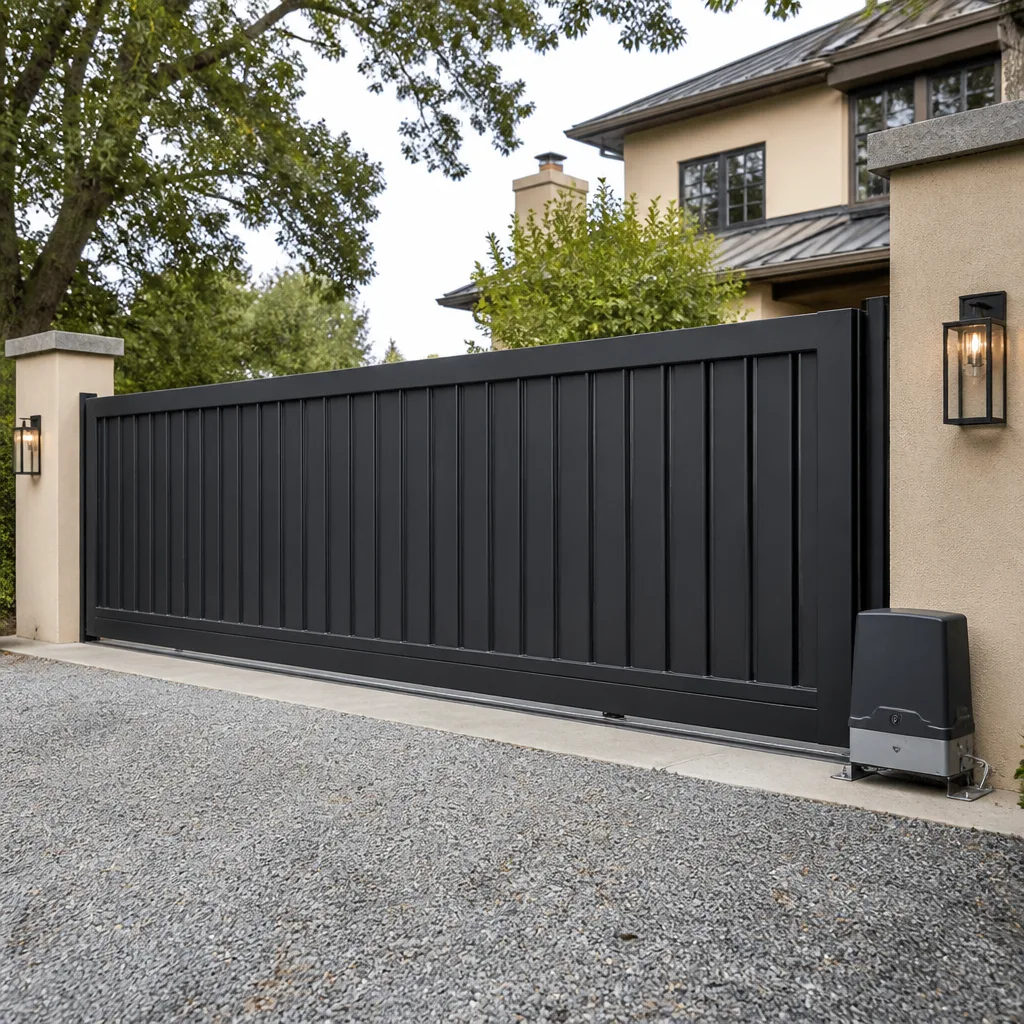
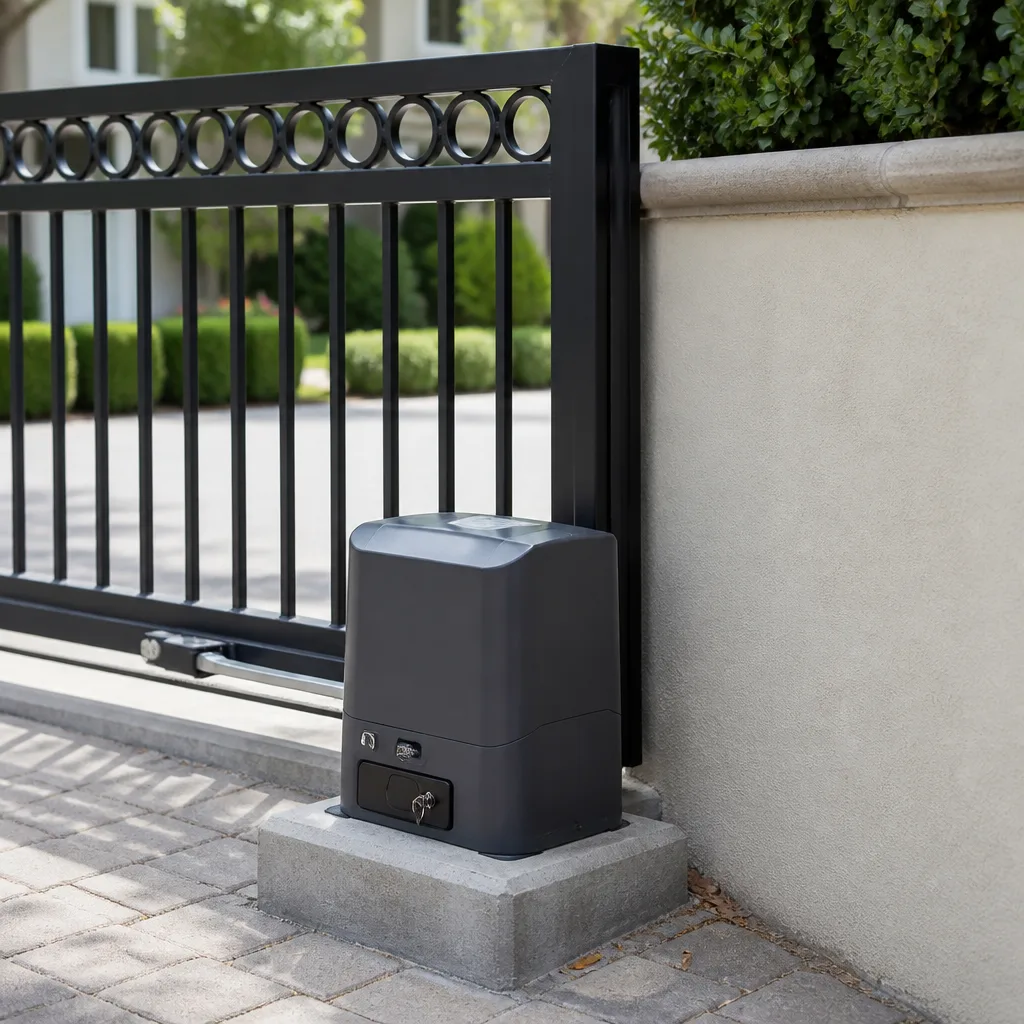
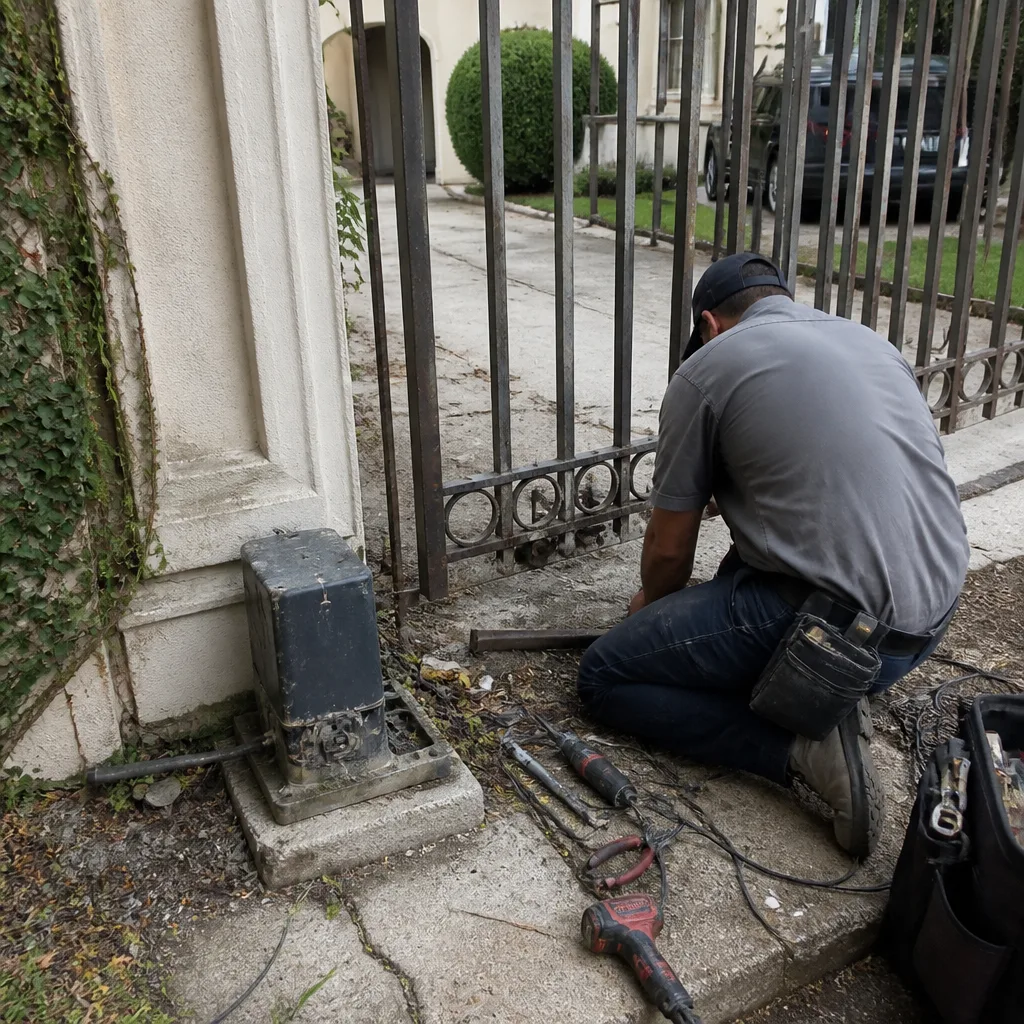 Before
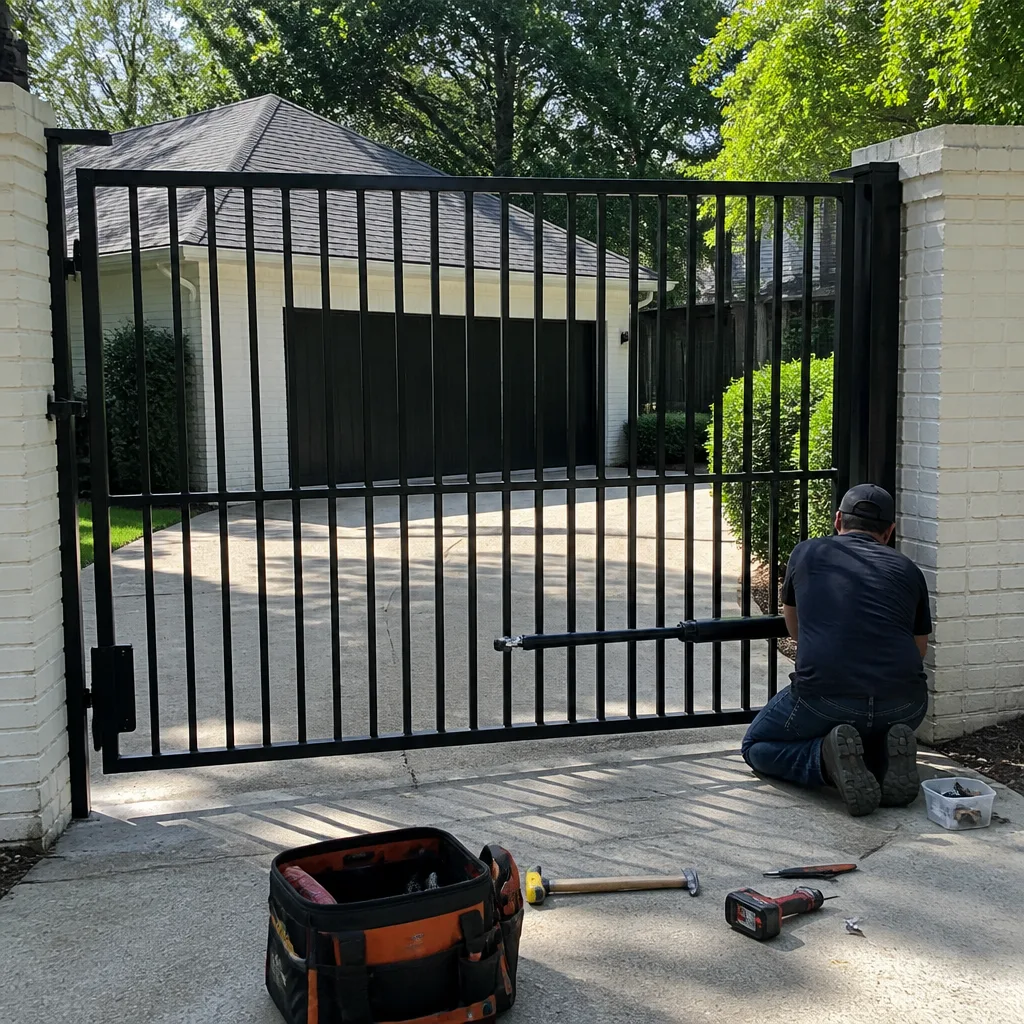 After
After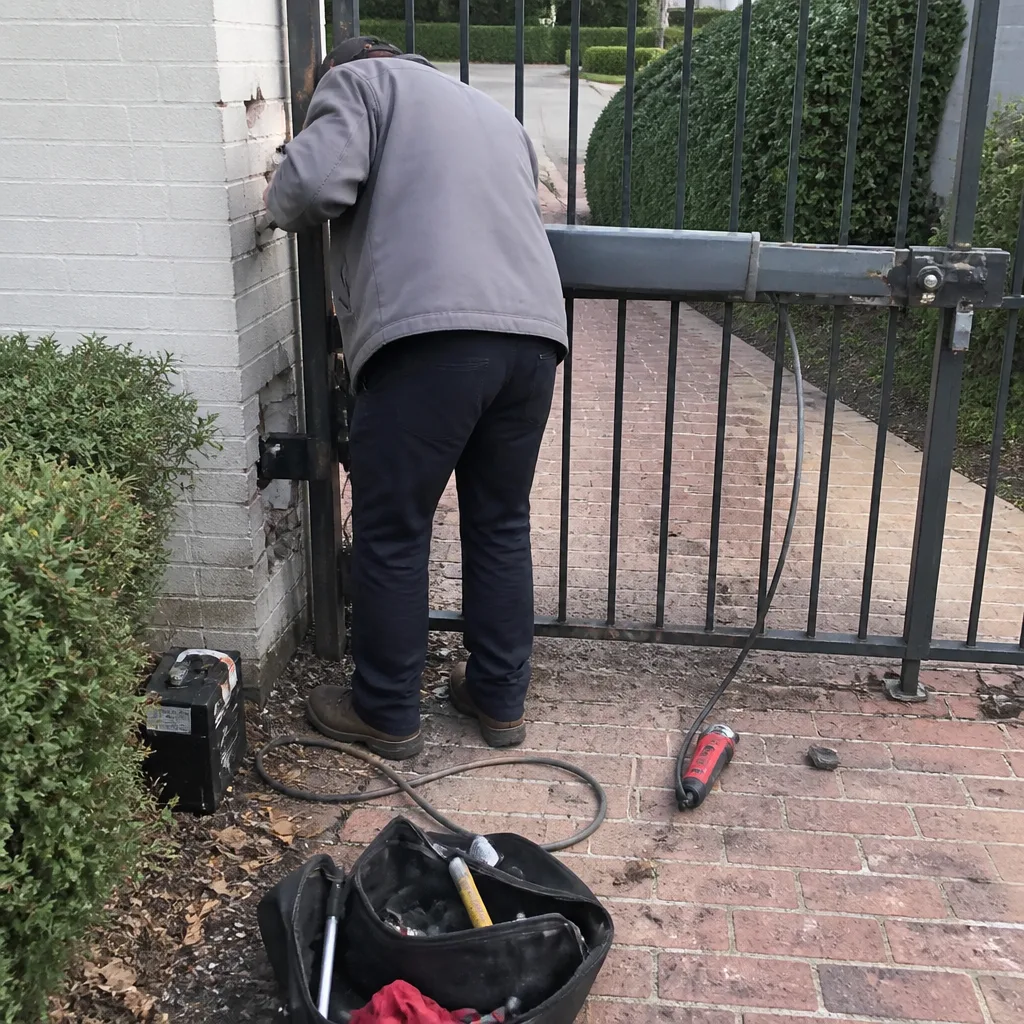 Before
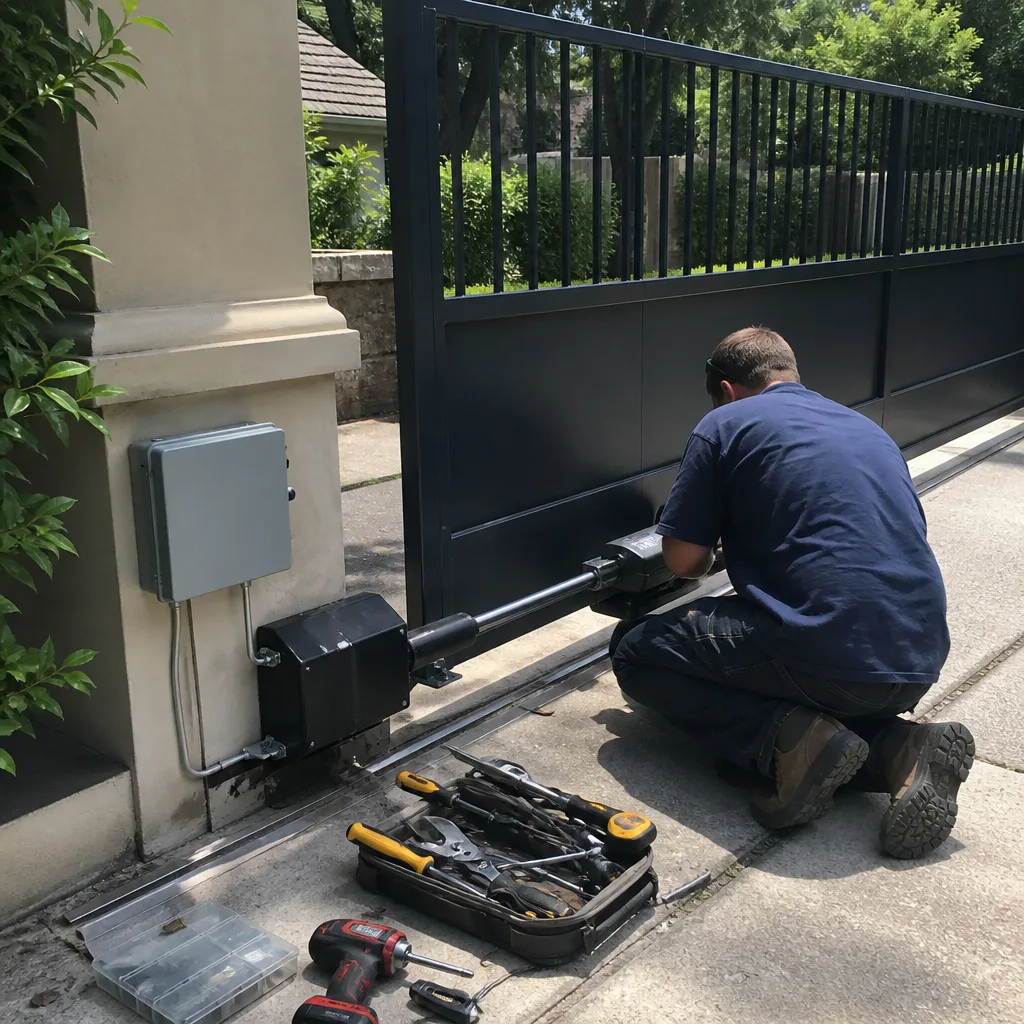 After
After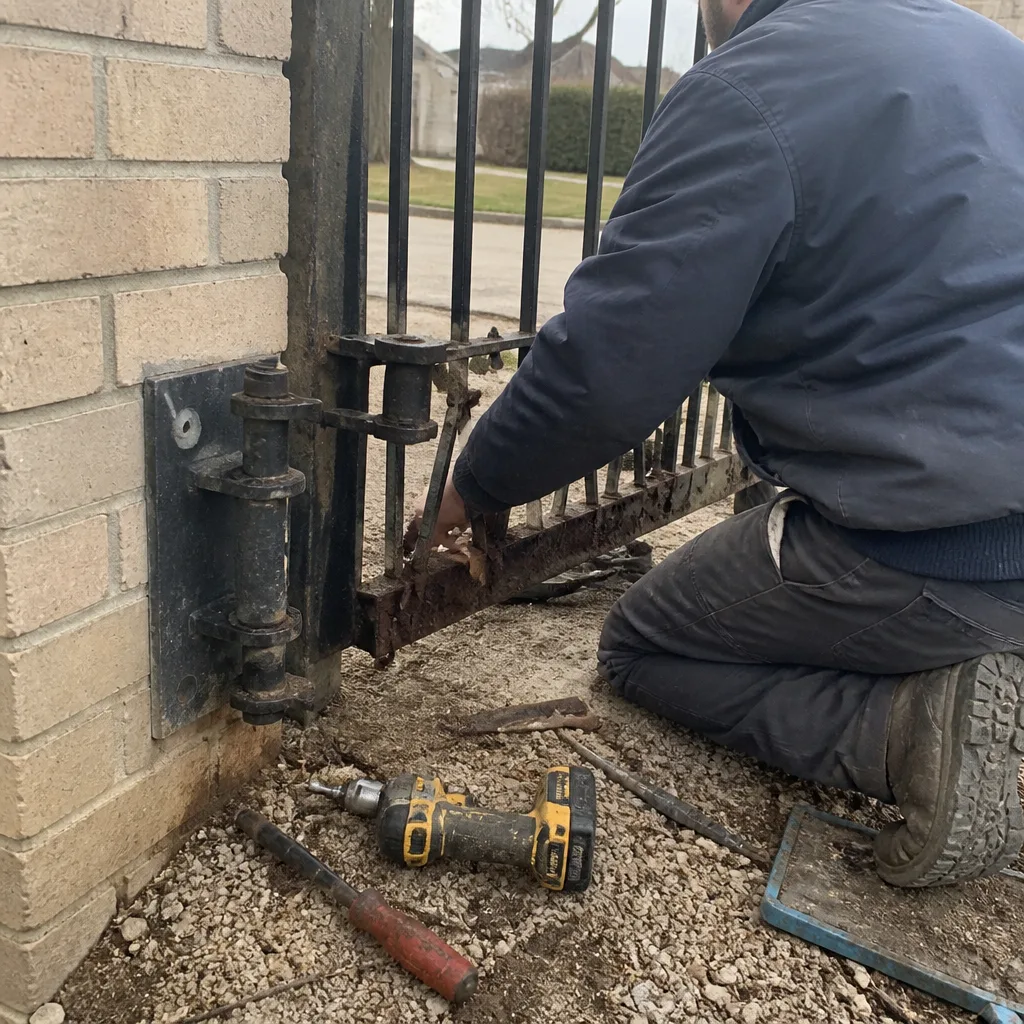 Before
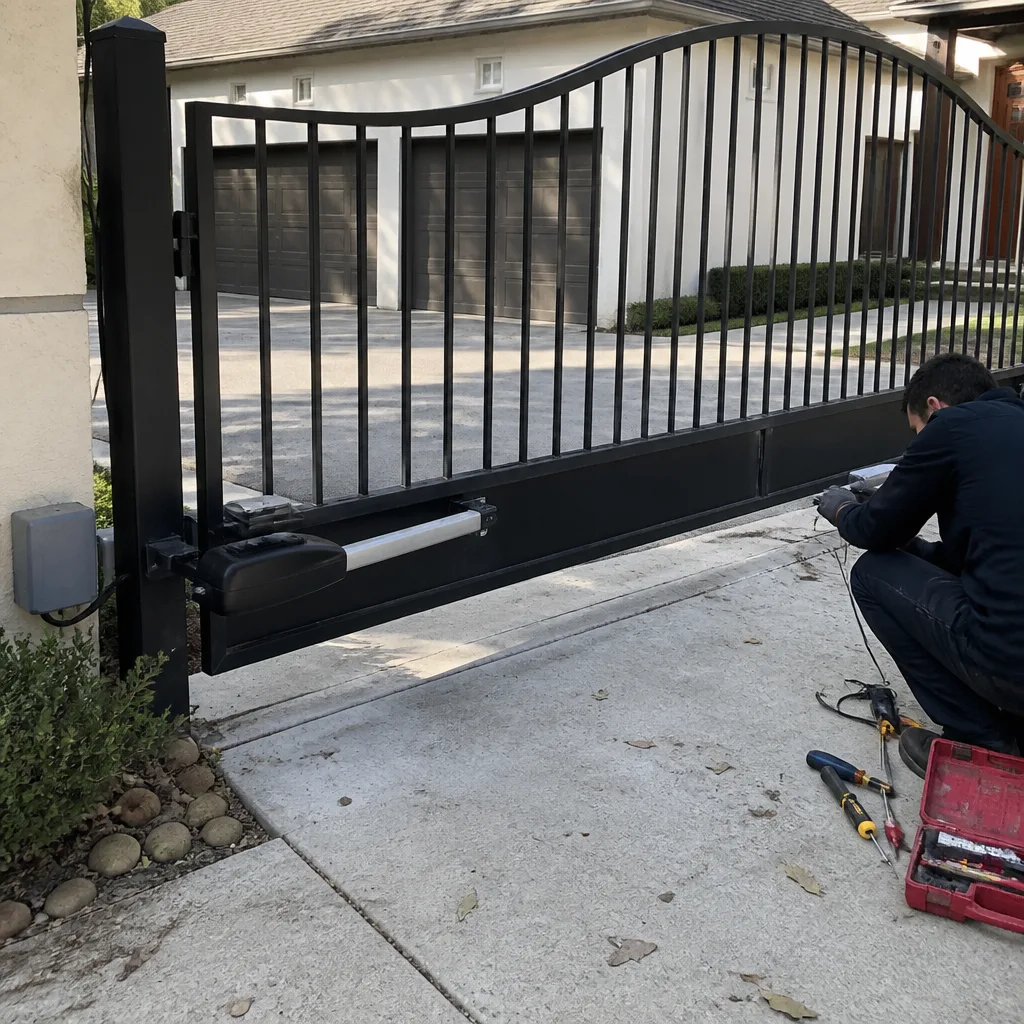 After
AfterGate Repair Warning Signs: A Highland Park Homeowner’s Reference Guide
A gate that still opens and closes may be quietly failing in ways that will cost far more to fix six months from now. We wrote this guide because Highland Park homeowners tend to notice the same handful of symptoms years before a gate actually stops working, and catching those symptoms early is the difference between a $200 repair and a $2,400 replacement. This reference walks through every warning sign we look for on a service call, what each one means, and what it costs to address in the Highland Park market specifically. By the end, you’ll know what to watch, what to ignore, and when to pick up the phone.
Quick Answer
Gate repair warning signs fall into seven categories: grinding or squealing during operation, slow or hesitant movement, sagging or misaligned leaves, rust at weld points and hinge barrels, intermittent opener failure, remote or keypad malfunctions, and visible wheel-track damage. Any one of these symptoms, left alone, typically leads to full gate or opener failure within 12 to 18 months. Most warning-sign-stage repairs in Highland Park cost between $180 and $450, versus $1,800 to $3,500 for a full gate replacement once the damage compounds.
Table of Contents
- 1. Grinding, Squealing, and Metallic Noises
- 2. Slow or Hesitant Gate Movement
- 3. Sagging, Dragging, and Misalignment
- 4. Rust at Critical Points: Hinges, Welds, and Pickets
- 5. Opener Failure: Humming, Clicking, and No-Start Conditions
- 6. Remote, Keypad, and Sensor Problems
- 7. Wheel, Track, and Foundation Damage
- Common Mistakes to Avoid
- When to Call a Professional
- Frequently Asked Questions
1. Grinding, Squealing, and Metallic Noises
Noise is almost always the first warning sign, and it is also the one most often ignored. A gate that squeals when it opens is telling you that metal is rubbing against metal where it should not be. On a Highland Park estate gate, that usually means one of three things: a hinge pin has worn through its bushing, the drive chain has loosened, or the opener’s internal gear has begun to strip. None of these conditions correct themselves.
The specific sound matters more than most homeowners realize. A high-pitched squeal that rises and falls with gate speed points to hinge friction, typically from a hinge that was never greased or a bushing that has disintegrated over years of Texas heat cycling. A grinding noise, the kind you can feel through the driveway, usually indicates a stripped gear inside the opener motor or a chain that has jumped a tooth on its sprocket. A rhythmic click-clack during travel often traces to a broken wheel bearing or a flat-spotted wheel on the bottom track.
What we have seen in Highland Park, particularly in the older sections north of Mockingbird Lane, is that original gates from the 1980s and 1990s rarely received the manufacturer’s recommended lubrication at the 6-month interval. The result is a hinge pin that wears from round to oval, which changes the gate’s swing geometry ever so slightly, which then overloads the opener motor, which then fails. Three separate repairs, all caused by one skipped maintenance step.
What to listen for:
- Squeal on open but not close: hinge or pivot friction, usually reparable by replacing bushings and re-greasing, $120 to $220.
- Grind through the full travel: opener gear or chain-sprocket damage, typically $180 to $340 depending on brand.
- Click-clack rhythm: wheel or bearing wear on the bottom track, $150 to $280 per wheel assembly.
- Metal-on-metal groan: frame contact from a sagging leaf, which means the structural repair comes first, $250 to $600.
If the gate suddenly goes quiet, that is not always good news. A noise that stops on its own sometimes means the part finished failing, not that the problem resolved.
2. Slow or Hesitant Gate Movement
A gate that takes noticeably longer to open than it did six months ago is working harder than it should. We measure gate travel speeds on every tune-up, and a properly functioning opener in good condition moves an average estate gate through its full arc in 12 to 18 seconds. When that same gate starts taking 25 or 30 seconds, something is adding resistance to the system.
The three most common causes we diagnose in Highland Park are low hydraulic fluid on piston-driven openers, failing capacitors on electric-motor openers, and mechanical drag from misaligned hinges or debris-packed bottom tracks. Texas clay soil, which we deal with around Turtle Creek and the surrounding estate properties, expands and contracts dramatically with moisture. That movement shifts gate posts, and a post that has moved half an inch changes the hinge angle just enough to create drag the opener has to fight against.
Hesitation, where the gate starts, stops, starts again, and then pushes through, points to a different issue. On brands like BFT and Linear, hesitating movement during travel often tracks to a failing limit switch or an obstruction sensor sending intermittent false signals. The gate literally does not know whether it is safe to keep moving. On hydraulic systems, hesitation during cold weather, rare but not unheard of in a January Highland Park cold snap, indicates thickened fluid that needs replacement.
Steps we recommend to isolate the problem:
- Time the gate now. Use a phone stopwatch, full open to full close, three cycles.
- Compare to the manufacturer’s spec or, failing that, to the 12-to-18-second benchmark for a standard single-leaf swing.
- Note whether the slowness is on open only, close only, or both. Open-only drag points to hinge or post issues. Close-only drag points to track debris or a failing close-limit switch.
- Watch for hesitation mid-travel versus slow-but-smooth. Hesitation is electrical or sensor-related. Slow-but-smooth is mechanical drag or failing motor output.
- If the gate has moved outside the 12-to-18-second window, schedule an inspection before the opener burns itself out.
Continuous operation against drag is what kills opener motors. The motor keeps pulling the same amperage against higher resistance, heat builds, and the windings or capacitor eventually fail. The gate slows down for a few weeks, and then one morning it simply will not open.
3. Sagging, Dragging, and Misalignment
Sagging is the most visible structural warning sign, and it is almost always easier and cheaper to fix at first notice than it will be a year later. A gate that drags against the ground or fails to meet its latch post squarely has a structural problem, not a convenience problem. The weight of the gate is no longer distributed through the hinges the way it was designed to be.
The typical iron driveway gate weighs between 400 and 900 pounds. Highland Park estates often have gates at the heavier end of that range, and some of the ornamental steel work we service around Beverly Drive approaches 1,200 pounds for a double-leaf configuration. When that weight starts leaning on the hinge rather than hanging from it, every cycle is slowly tearing the hinge welds or loosening the post anchors.
We categorize sagging into three stages:
- Stage one: the leaf sits 1/4 to 1/2 inch low at the latch end. The hinges are wearing but the welds are sound. Repair: bushing replacement and re-alignment, $180 to $350.
- Stage two: the leaf drags at one corner or the leaves overlap incorrectly. Weld fatigue has begun at the hinge barrels. Repair: weld repair, hinge replacement, and re-alignment, $400 to $800.
- Stage three: the leaf visibly tilts, the post shows cracks at the base, or the gate no longer stays latched. The post footing is compromised. Repair: post reset, footing pour, and full re-hang, $1,200 to $2,800 depending on post size and access.
The fix for stage-one sagging is quick and relatively painless. The fix for stage-three sagging often involves excavation, concrete, and a crane or lift to re-hang the leaf. The gap between those two prices is real money, and the gap closes fast once stage two goes unaddressed. If your gate scrapes when you open it, that is the warning sign. It will not get lighter or straighter on its own.
4. Rust at Critical Points: Hinges, Welds, and Pickets
Rust on an iron gate is rarely a cosmetic issue, even when it looks like one. Highland Park’s climate, with its summer humidity and the occasional winter freeze, creates condensation cycles that drive moisture into every seam, weld, and bolt hole on an iron gate. Rust that starts as a small orange bloom is evidence that water has already gotten under the paint or powder coating and is working on the metal beneath.
The places we look first on every inspection are the hinge barrels, the bottom rail, and the weld joints where pickets meet the horizontal rails. Hinge barrels rust from the inside out. By the time you see flaking on the outside of a hinge barrel, the pin and bushing inside are usually already compromised. Bottom rails rust because water pools on the top surface and wicks into any unsealed seam. Weld joints rust because welding burns off the factory coating and the weld beads are rarely re-sealed properly at installation.
What homeowners can check without tools:
- Run a finger along the bottom rail and look for bubbling under the paint. Bubbling is rust expanding beneath the coating.
- Examine the hinge barrels for orange staining around the pin ends. If the staining is rust-colored and powdery, the hinge is rusting internally.
- Tap the bottom rail with a screwdriver handle. A dull thud rather than a sharp ring indicates internal rust thinning the metal.
- Look at every weld joint. Orange lines radiating from a weld bead mean moisture has penetrated the joint.
Surface rust can be wire-brushed, treated with a rust converter, primed, and repainted. Internal rust requires disassembly or replacement of the affected part. The difference in cost is roughly $150 to $300 for surface treatment versus $350 to $900 for hinge or section replacement. We recommend treating surface rust the same month you notice it. Waiting one more season usually moves the job from the first category to the second.
5. Opener Failure: Humming, Clicking, and No-Start Conditions
When a gate opener hums but the gate does not move, the motor is getting power but either cannot start or cannot transfer rotation to the gate. When it clicks and nothing happens, the control board is attempting to engage a relay but the downstream component is not responding. When it is completely silent, the problem is usually electrical supply, a blown fuse on the board, or a dead capacitor.
In our experience, these three failure patterns account for the large majority of gate opener service calls in Highland Park. The underlying causes vary by brand. Viking and Ghost Controls openers, common on estate properties here, use different control board architectures than BFT or Linear, and the failure symptoms do not always present the same way. What matters for the homeowner is not the circuit-level diagnosis but the recognition that any one of these symptoms is a genuine warning sign, not a quirk.
A humming-but-stopped opener typically means a failed start capacitor. The capacitor’s job is to give the motor the initial jolt it needs to overcome the gate’s resting inertia. When the capacitor dies, the motor just hums against the load. This is a $90 to $180 part replacement plus the service call. If the gate is run repeatedly while the capacitor is failed, the motor windings overheat and the repair becomes a full motor replacement at $450 to $900.
A clicking opener points to a relay on the control board or a failed limit switch. The board sends the signal, the relay clicks, and nothing downstream answers. Control board replacement on most residential opener brands runs $250 to $500 installed. A limit switch is typically under $150.
The no-start, completely silent condition is the one that sends homeowners to the breaker panel first, and that is the right first step. If the breaker is fine, the issue is usually a blown control board fuse, a failed transformer, or a wiring fault. This is also the condition most likely to be caused by a lightning strike or a power surge, and we see a cluster of these calls every time a spring storm rolls through the Park Cities.
A note on safety: gate openers operate on line voltage and, on some models, store significant energy in capacitors even after power is disconnected. Opening the control box on a 120V or 240V gate opener is not a do-it-yourself job. The risk of electrical shock is real, and the stored charge in a capacitor can deliver a dangerous jolt even with the breaker off. This is a job for a licensed professional.
6. Remote, Keypad, and Sensor Problems
Gate problems that look like opener problems are sometimes just the accessories trying to communicate with the opener and failing. Remotes that work only at close range, keypads that require three or four attempts, and sensors that stop the gate for no visible reason are all warning signs. They indicate failing components that will eventually stop working entirely.
A remote that only works within 10 feet of the gate usually has a dying battery, but if a fresh battery does not restore full range, the remote’s transmitter board is fading or the opener’s receiver antenna is damaged. Remotes on systems we service around Highland Park are typically the least-expensive component to replace, $40 to $120 for the remote itself, but a failing receiver board on the opener side pushes that repair into the $200 to $400 range.
Keypads fail in predictable ways. Buttons begin to require hard presses. The backlight stops working. Codes intermittently fail. These are signs of a weather-seal failure letting moisture into the keypad housing. A replacement residential keypad is typically $90 to $180 installed. The key part is programming: the new keypad must be coded to the specific opener brand and receiver frequency, and BFT, Linear, and Ghost Controls systems each use different programming sequences.
Photoelectric sensors and safety edges exist to stop the gate if a car, person, or pet is in the path. A sensor that stops the gate constantly, fails to close, or blinks an error code is either misaligned or failing. Photo eyes go out of alignment when the gate post shifts or when sprinkler spray and dirt coat the lens. Cleaning and re-aligning is a quick fix. A sensor that has actually failed costs $150 to $300 to replace.
One tip we give every Highland Park homeowner with an automated gate: test the safety reverse at least twice a year. Place a trash can in the gate’s path and close the gate. The gate should stop and reverse before making contact, or immediately after contact if the safety is edge-based. If it does not, stop using the automatic function and call for service. A gate that does not reverse is a genuine hazard, not a slow-failure warning sign.
7. Wheel, Track, and Foundation Damage
Sliding gates depend on a clean, level track and a set of wheels that roll freely. When the wheels bind, flat-spot, or seize, the gate drags, jerks, or veers. When the track fills with dirt, gravel, or tree debris, the gate fights its way through every cycle. When the foundation under the track or the gate posts shifts, the entire system loses alignment.
Highland Park sits on expansive clay soil, the same soil that shifts foundations across North Texas. Gates are not exempt from that movement. A concrete track pad that was poured level in 1998 may be out of level by half an inch in 2026. That half inch forces the gate wheels to ride up on one edge, which wears them unevenly, which causes the gate to list, which puts lateral force on the opener’s drive chain, which prematurely wears the chain and sprocket. Same cascading-failure pattern we see with sagging swing gates.
Track maintenance is the most neglected aspect of gate ownership we see. Homeowners assume the track takes care of itself because it is a slab of concrete or steel. It does not. Every month or two, the track should be cleared of leaves, dirt, and gravel. In Highland Park, the trees that make the streets beautiful also drop a steady supply of leaves, twigs, and acorns onto gate tracks between October and March. That debris gets crushed into the wheel path and accelerates wheel wear.
What to look for on a sliding gate:
- Flat spots on wheels: causes a thump-thump-thump rhythm during travel. Wheel replacement, $120 to $220 per wheel.
- Steel wheels that have worn into a V shape: the wheel is riding on a misaligned track. Track re-leveling, $350 to $800 depending on length.
- Concrete track pads with cracks wider than 1/4 inch: foundation movement. Repair or pad replacement, $900 to $2,500.
- The gate veering toward one side at the end of travel: bent guide roller or misaligned track end. Guide roller replacement, under $200.
The foundation issue is the one we cannot fix with a wrench and a weld. When the soil under a gate track has shifted enough to crack the pad, the correct repair involves excavation, re-compaction, and a new pour. That is a big job, and it is avoidable when track problems are caught at the wheel and alignment stage.
What a Repair Actually Costs in Highland Park
Pricing transparency matters because gate repair is not a category most homeowners have a frame of reference for. The range below reflects what we see across Highland Park service calls in 2026, based on standard residential gate configurations.
- Hinge bushing replacement: $120 to $220 per hinge
- Weld repair at hinge or picket joint: $150 to $400 per repair point
- Capacitor replacement: $90 to $180 plus trip charge
- Control board replacement: $250 to $500 installed, brand-dependent
- Remote replacement and programming: $40 to $120 for the remote, programming included
- Keypad replacement: $90 to $180 installed
- Photo eye sensor replacement: $150 to $300
- Track re-leveling: $350 to $800
- Full single-leaf gate replacement (steel, standard dimensions): $1,800 to $3,500 installed
- Post reset with new footing: $1,200 to $2,800
Every quote we give in Highland Park is a fixed number agreed before any work starts. If we find something else while we are in the job, we stop, we show you, and we agree on the additional cost before we turn another bolt. No line items that appear after the fact. That is the only way we have ever worked.
Common Mistakes to Avoid
- Lubricating a noisy hinge instead of fixing it. Grease quiets a worn hinge for a week or two, but the wear is still there. The gate works a little longer and then fails worse than before. The hinge needs new bushings, not more grease.
- Assuming the remote is the problem when the gate is slow. Slow movement is almost never caused by the remote. Replacing remotes while the opener drags itself to death against structural resistance wastes money and delays the real fix.
- Waiting until the gate completely stops. By the time nothing moves, the failure cascade is usually complete. What might have been a hinge job is now a hinge job plus a motor replacement plus a post reset.
- Ignoring rust that is hidden behind foliage. In Highland Park, ivy and climbing plants often conceal the bottom rail of an iron gate. The rust develops unseen for years. Pull the foliage back and inspect at least once a season.
- Patching a shifting post without addressing the footing. Re-welding a hinge to a post that is still moving is a temporary fix. The post footing is the foundation of the whole system. If it is failing, that is the repair.
- Using a gate opener with a failed safety reverse. This is not a wear item you can defer. If the gate does not stop and reverse on obstruction, it can injure a person or pet. Disable the automatic function until it is fixed.
- Hiring the lowest bid without checking gate-specific experience. General handymen are fine for some things. Gate automation is not one of them. A misdiagnosed opener problem can turn a $200 repair into a $900 replacement.
When to Call a Professional
Most of the warning signs in this guide share a common thread: they are easier and cheaper to fix at first notice, and they become expensive and dangerous when ignored. Some conditions are safe to monitor for a few weeks. Others are not. If the gate makes a grinding noise every time it moves, if it hesitates or stutters mid-travel, if the safety reverse has stopped working, or if the gate is visibly sagging or dragging, that is a call-the-professional situation now, not a put-it-on-the-list situation. Gate openers carry line voltage, and gates carry hundreds of pounds. Both deserve respect. Ironworks Gate Co. home is the starting point for Highland Park gate service, and we offer free estimates with a live person on the phone at (936) 277-6521, 24 hours a day.
Frequently Asked Questions
Gate repair in Highland Park typically costs between $180 and $450 for warning-sign-stage issues like hinge bushing replacement, capacitor failure, or remote and keypad fixes. Structural repairs, such as post resets or weld repair, run $400 to $2,800 depending on the extent of the damage. Full gate replacement is $1,800 to $3,500 for standard configurations. Call (936) 277-6521 for a fixed, written estimate before any work begins.
Yes, most warning-sign repairs are completed in a single visit. We carry the common wear parts for the opener brands we service, and most hinge, wheel, capacitor, and accessory jobs are finished the same day we arrive. More involved repairs, like post resets or control board replacement on less common opener models, may require a return visit for parts. A live person answers the phone 24 hours a day at (936) 277-6521 to schedule the visit.
Noise means friction, and friction means wear. The specific sound identifies the source: squealing indicates hinge or pivot friction, grinding indicates opener gear or chain damage, and rhythmic clicking indicates wheel bearing failure. The gate still works because the components have not failed completely yet, but continuous operation with that friction will finish the job. Noise is a warning sign, not a personality trait.
A properly maintained gate opener in the Highland Park area should last 10 to 15 years. The heat, humidity, and occasional freeze cycles shorten that lifespan when the opener is working against structural drag or when maintenance has been skipped. A gate that is misaligned or sagging can cut an opener’s lifespan to under five years because the motor runs hotter and longer on every cycle.
We service and repair gates of any age, and a large portion of our work in Highland Park is on gates installed in the 1980s and 1990s. Older iron gates are often better candidates for repair than replacement, and we would rather restore a gate with good bones than sell a new one when it is not necessary. Welding, hinge replacement, and re-hanging are all routine for us.
The 90-Day Done Right Promise is our written guarantee on every gate job. If the repair or installation is not right within 90 days, we come back and make it right at no charge. No paperwork to file, no argument, no fine print. We have operated this way because our name is on the work, and Highland Park is a word-of-mouth town. A live person is always available at (936) 277-6521 if something needs our attention.
The Bottom Line
Gate repair warning signs are not subtle if you know what to look for. The noise, the slowness, the sag, the rust, the intermittent opener behavior, the finicky keypad, the worn track, every one of these symptoms announces itself early and escalates on a predictable schedule. Catching them early means a few hundred dollars and a single service visit. Ignoring them means a full gate or opener replacement and a bill measured in thousands. The gate on a Highland Park home is a working piece of equipment, not a set-it-and-forget-it fixture. Watch it, listen to it, and when it tells you something, call someone who knows what it is saying. We would rather fix a hinge than replace a gate, and we would rather hear from you in year one of a warning sign than year three of a full failure.
Written by Victor Salinas, Owner at Ironworks Gate Co., serving Highland Park since 2013.