
Last updated August 25, 2026
Free on-site gate assessment - hinges, posts, and your LiftMaster or Nice gate operator checked before anything is quoted
The assessment is free and the quote is the invoice.
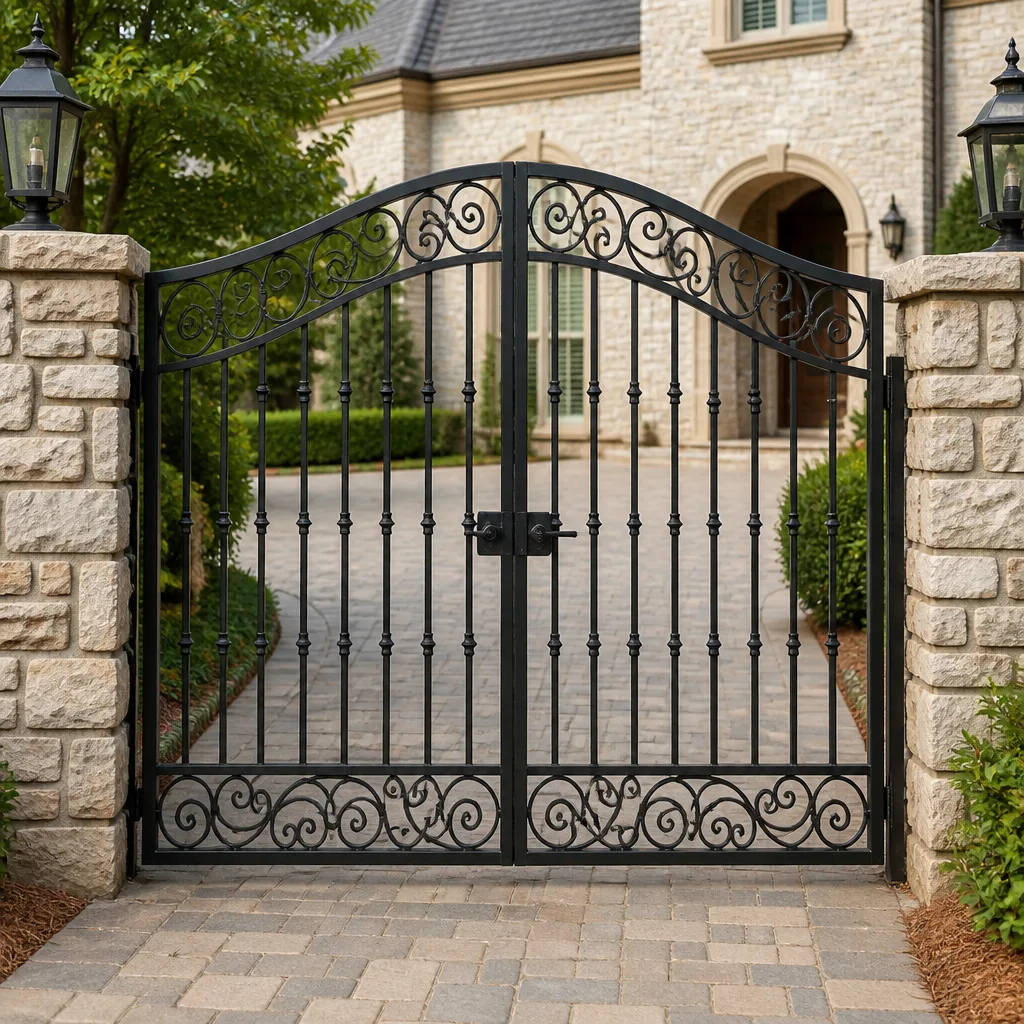
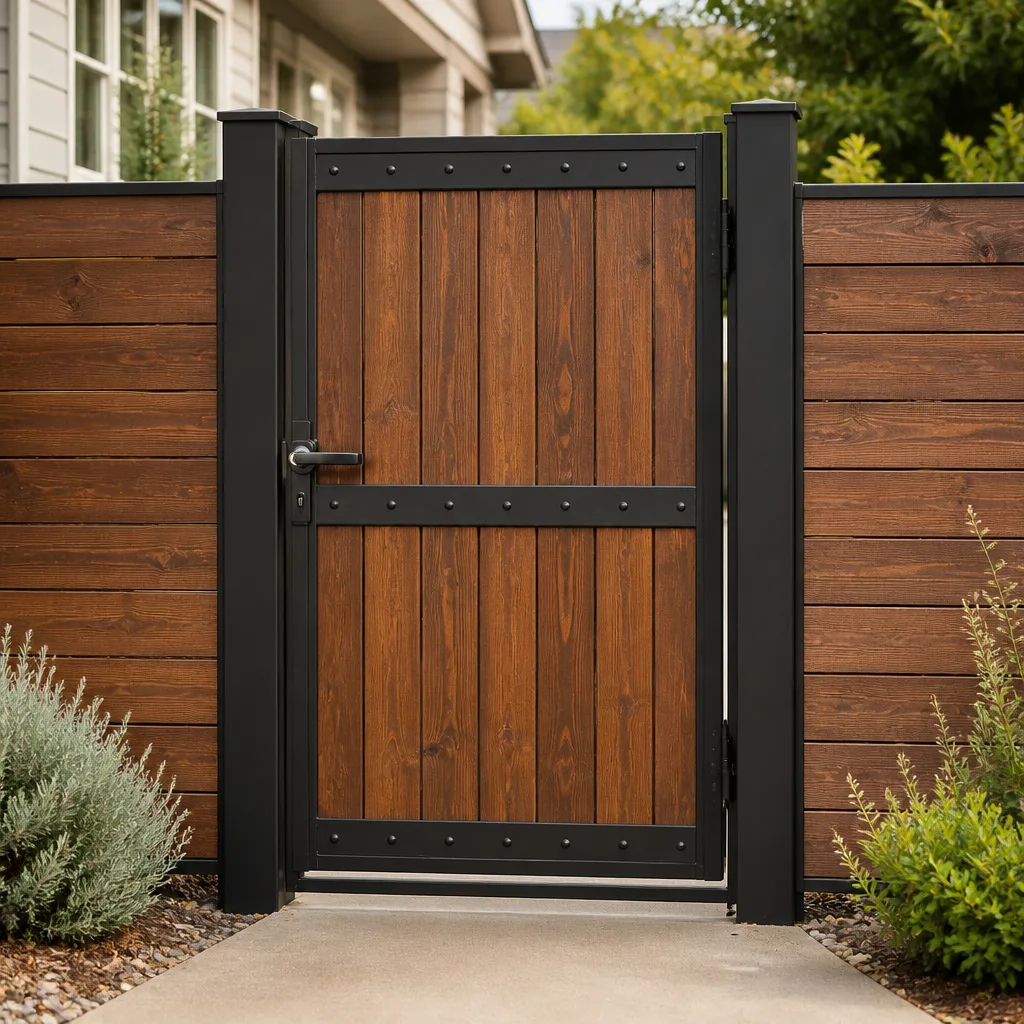
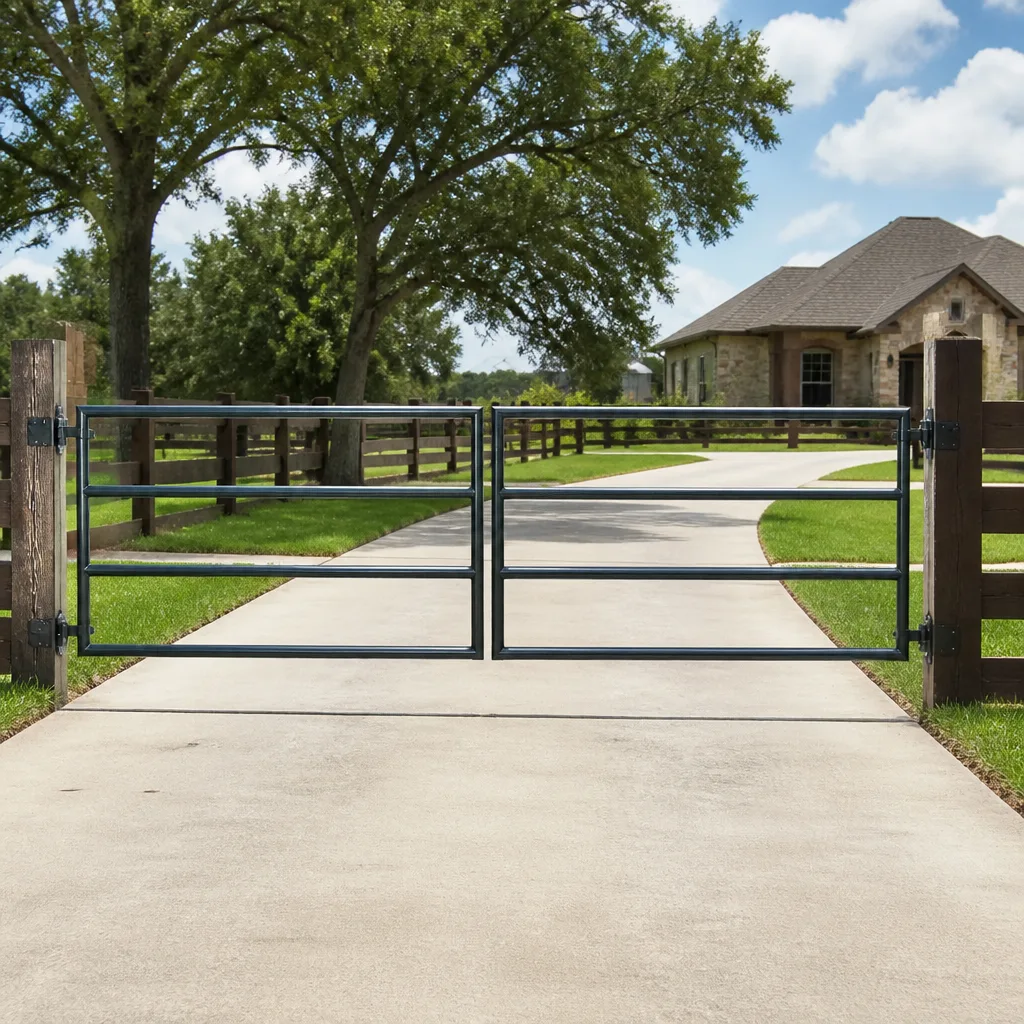
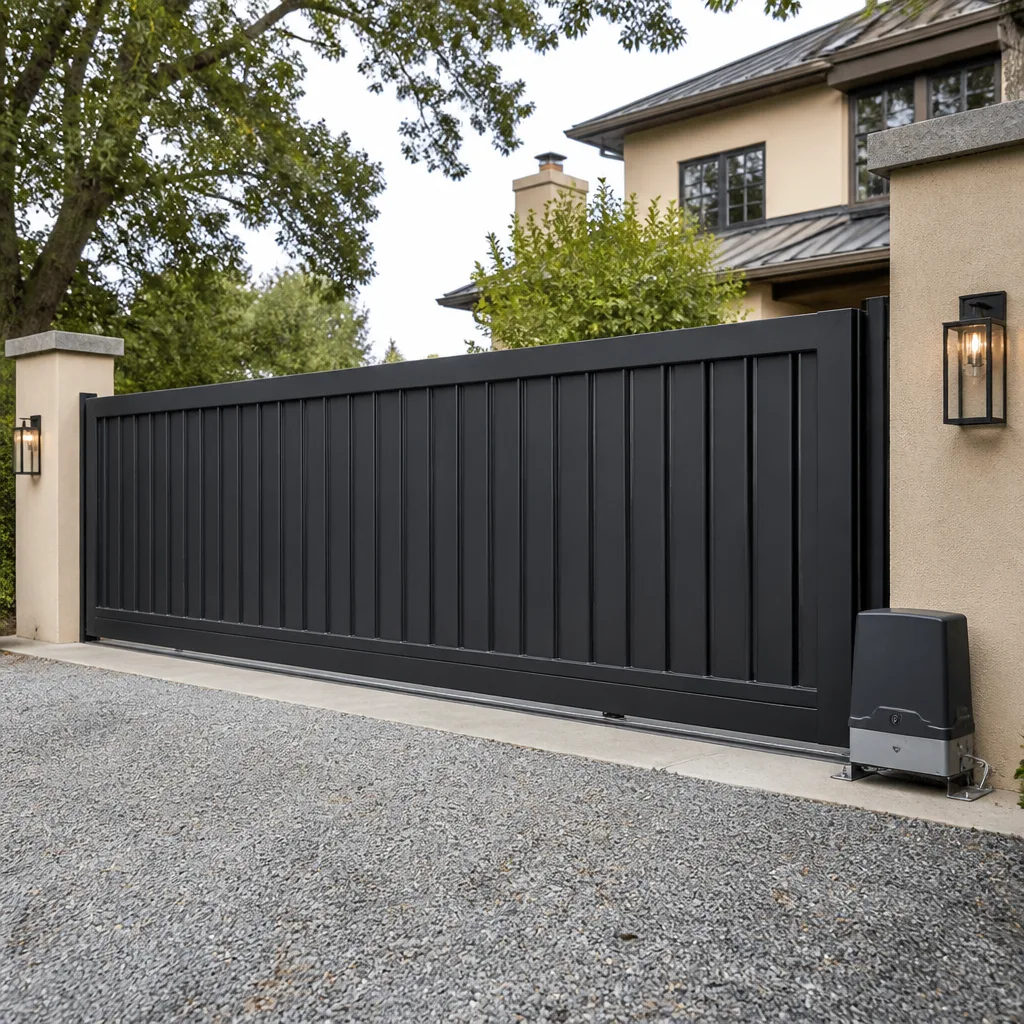
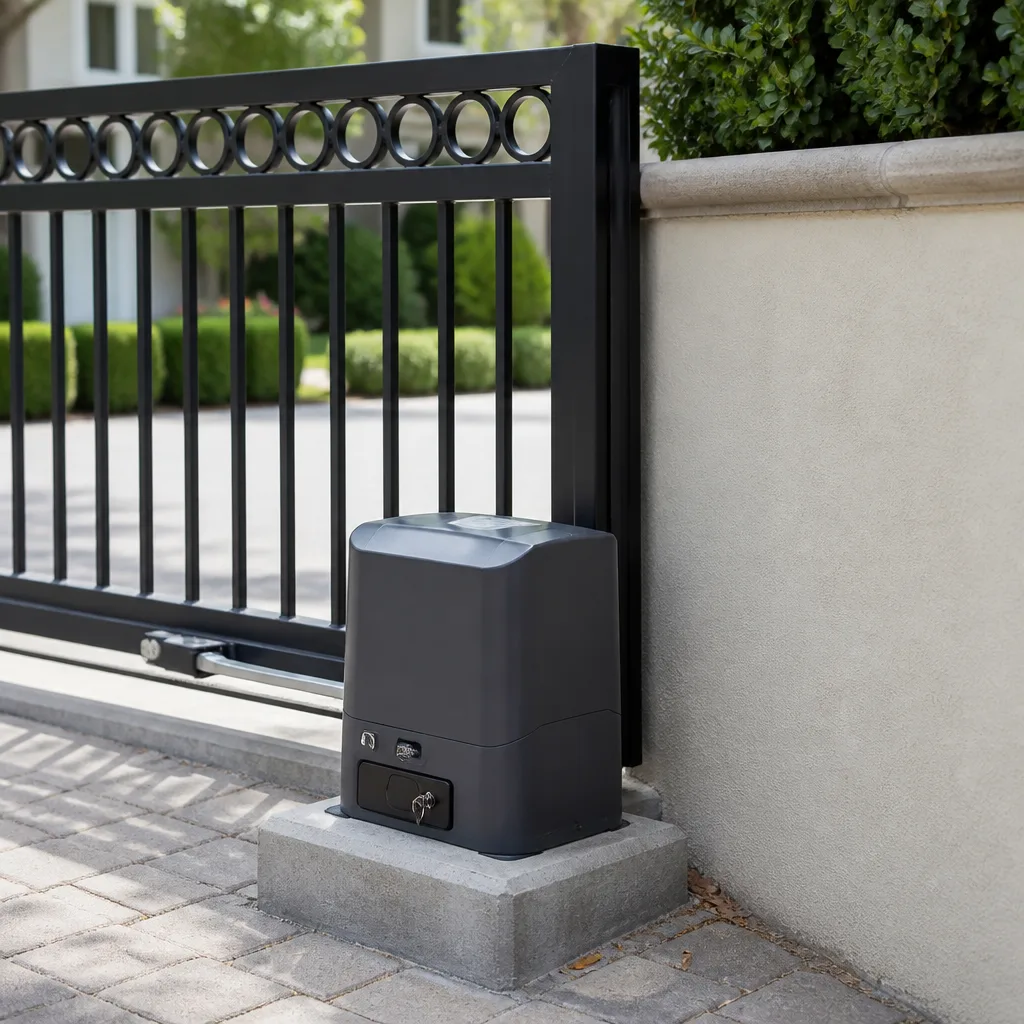
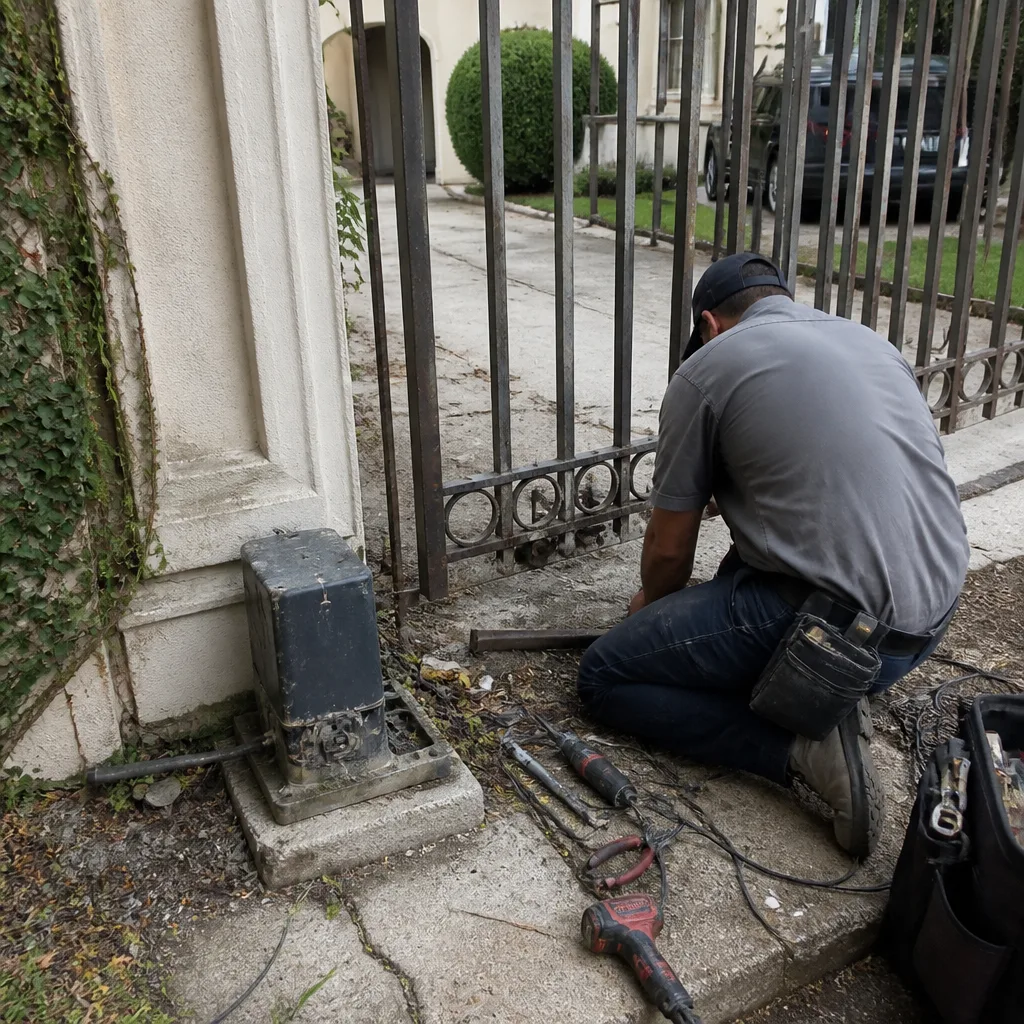 Before
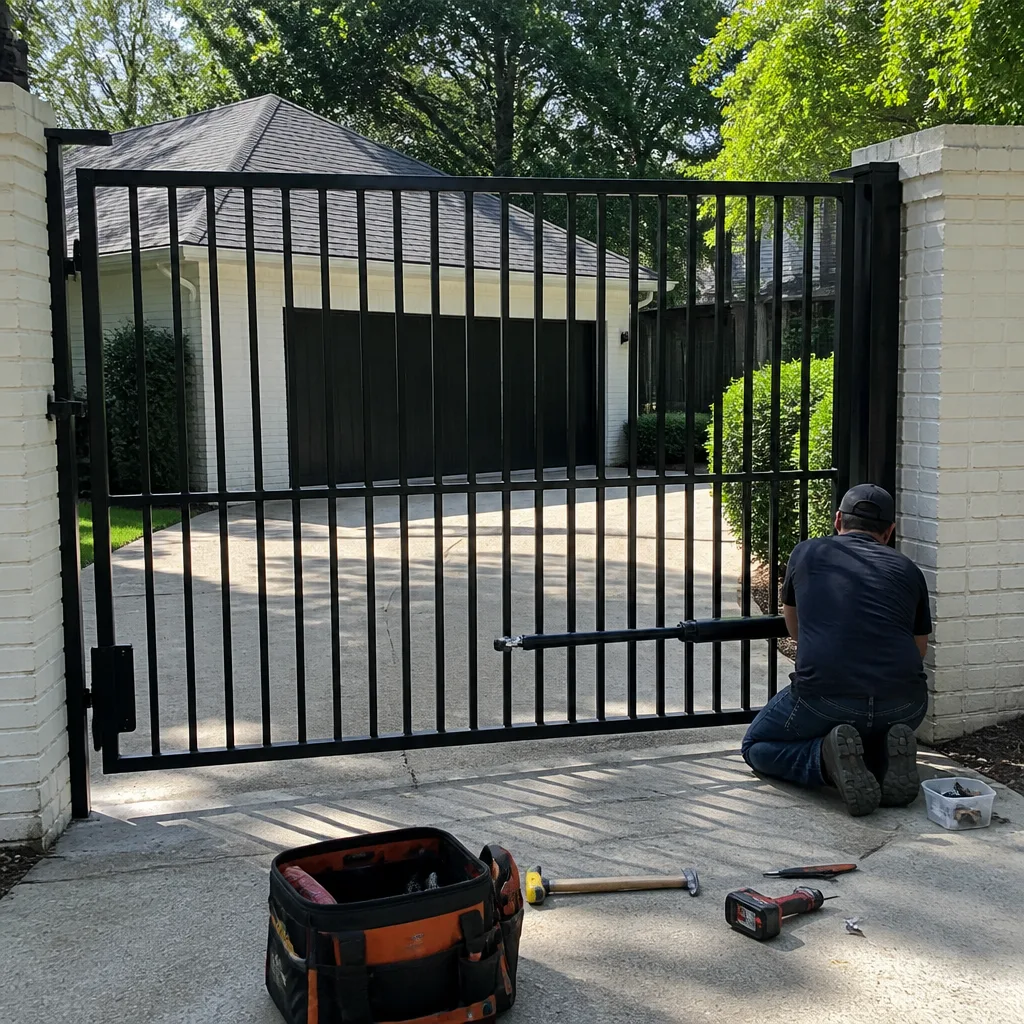 After
After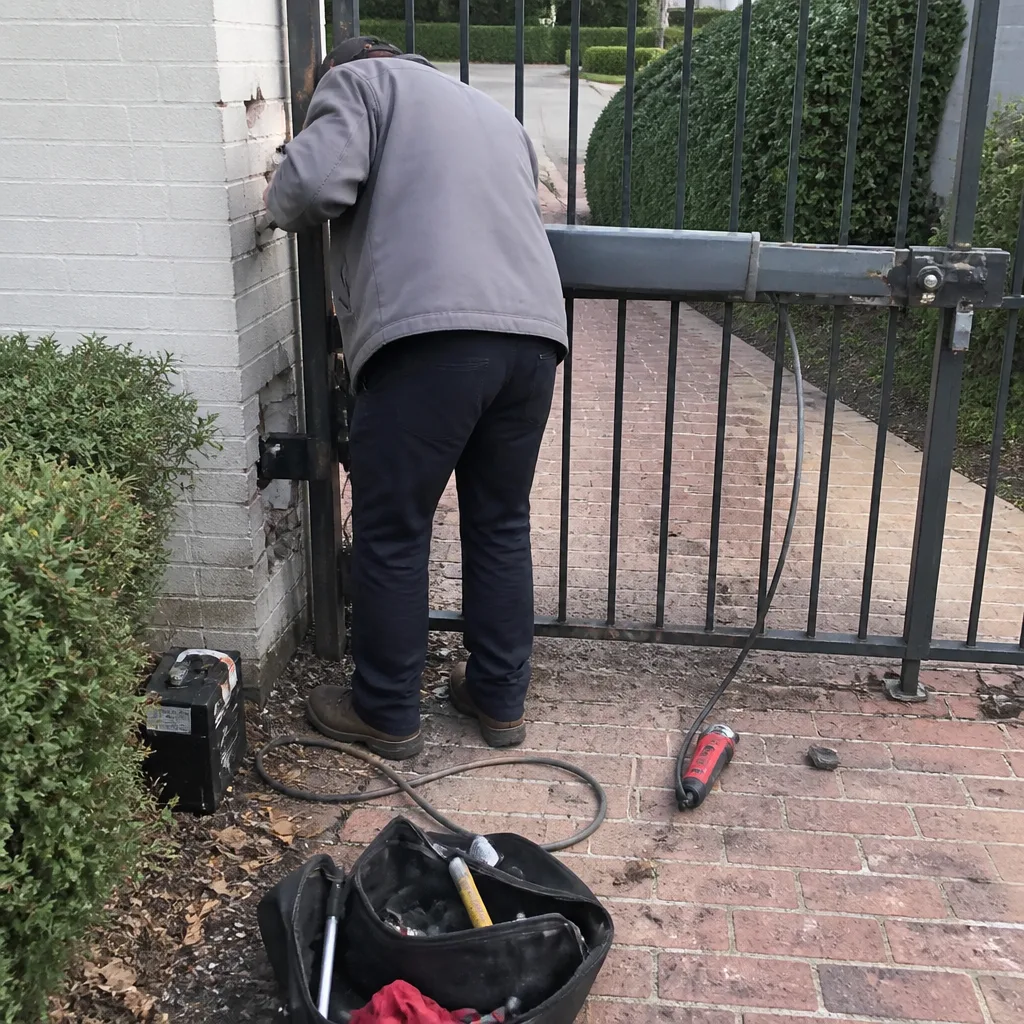 Before
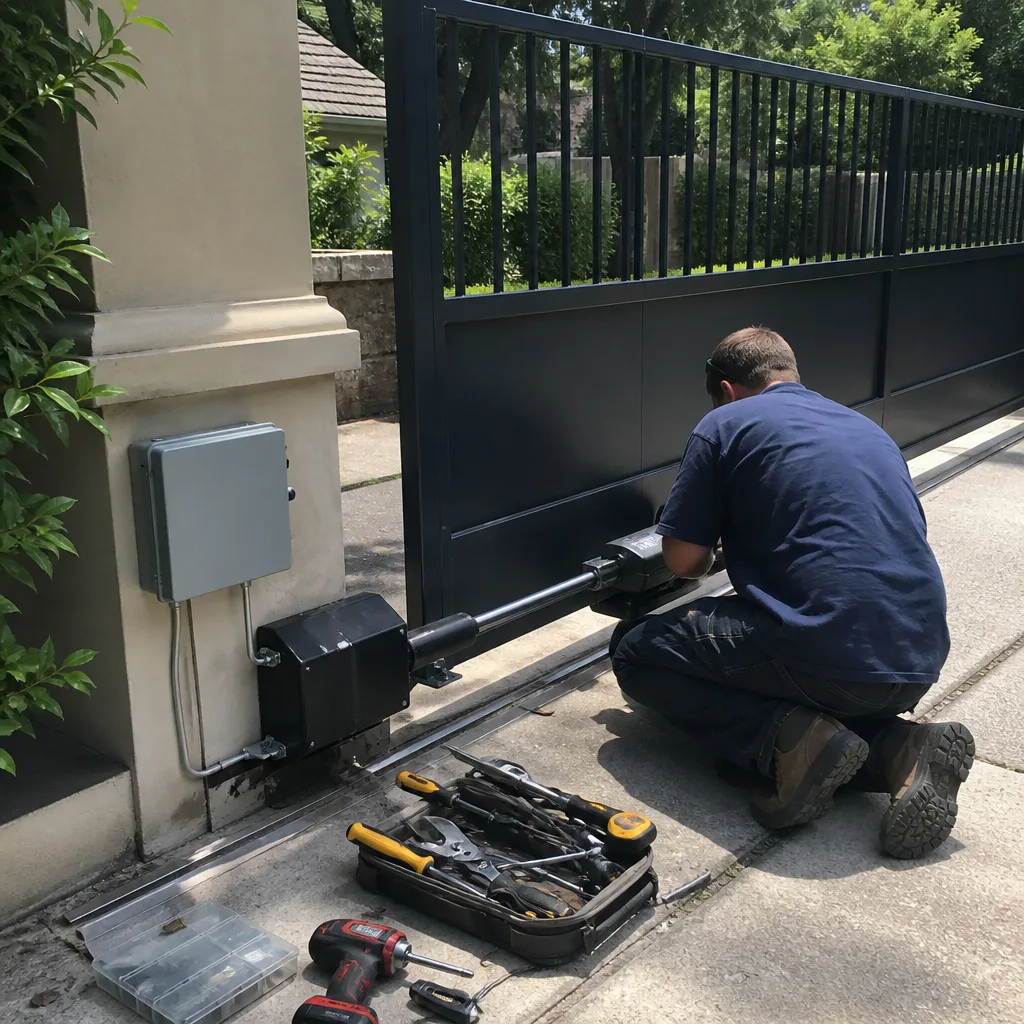 After
After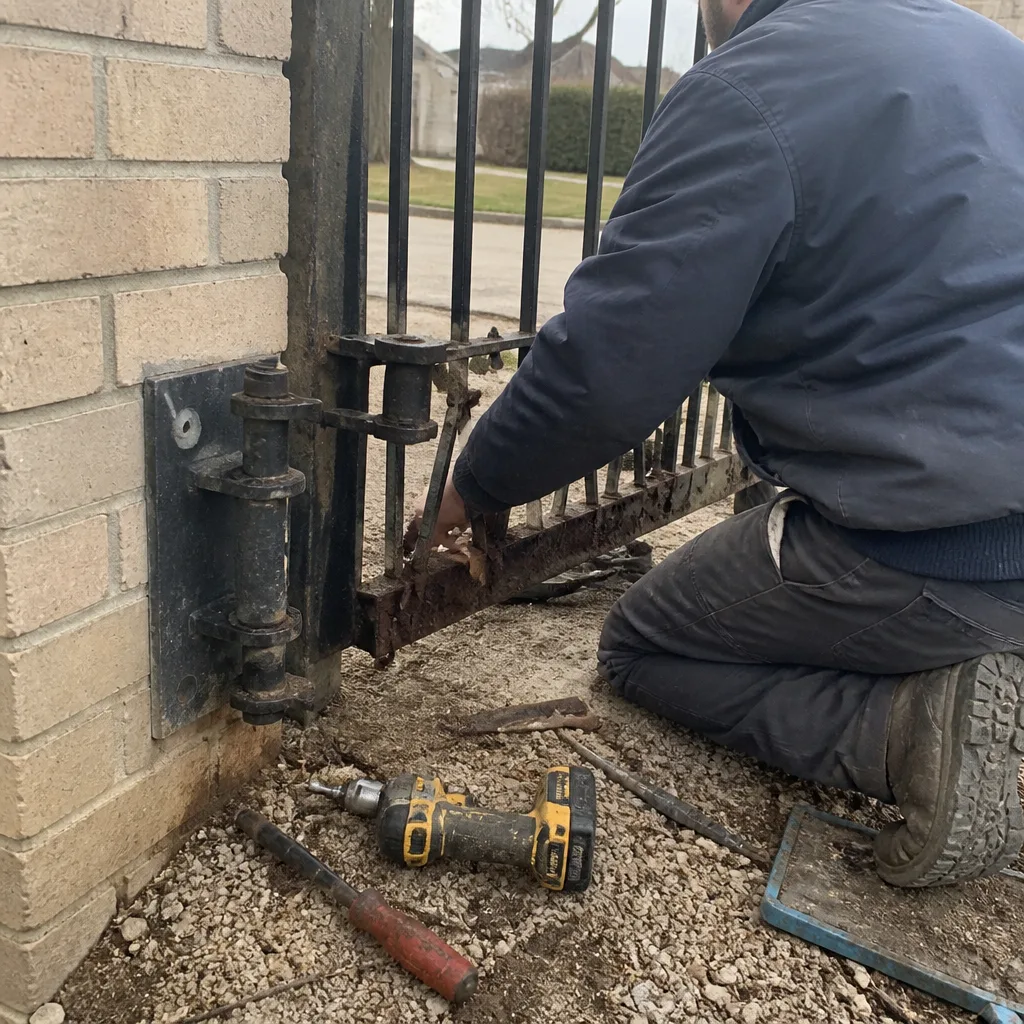 Before
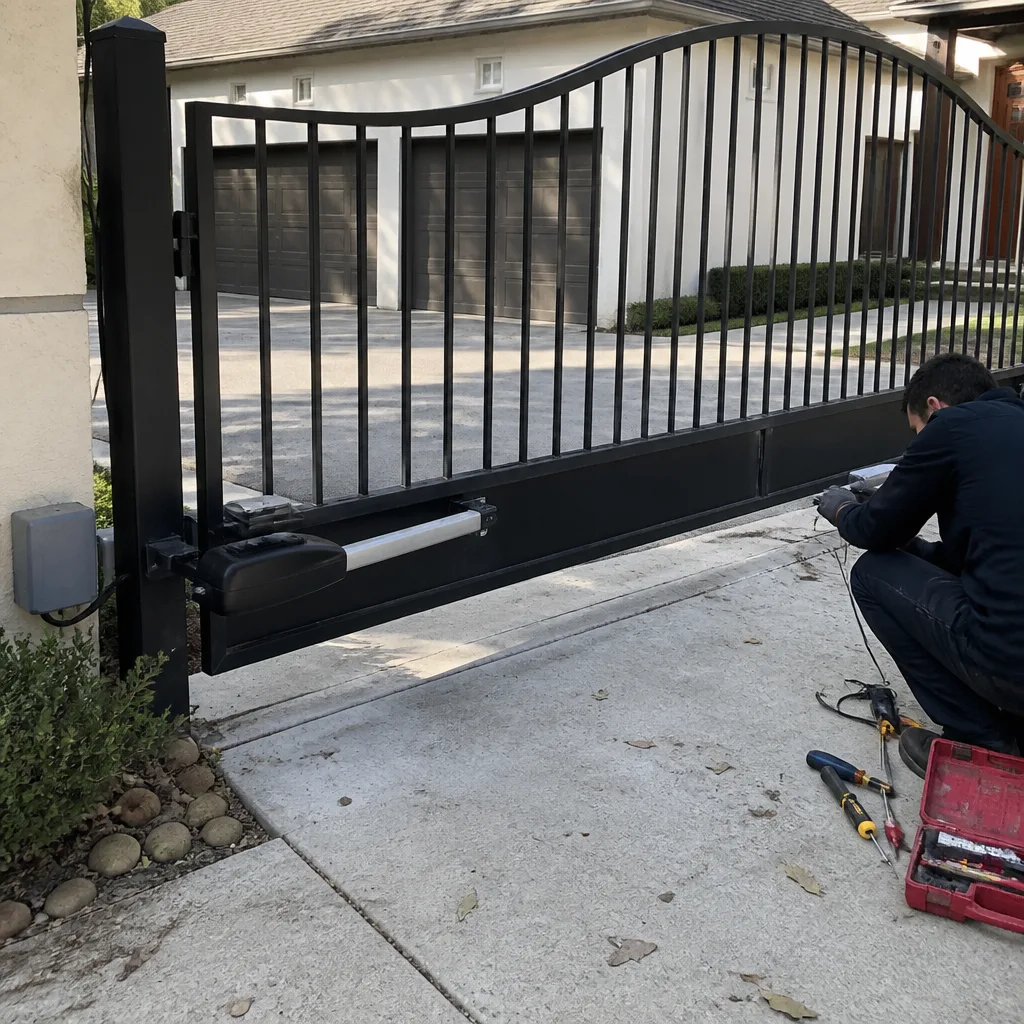 After
AfterThe Complete Guide to Gate Repair in Highland Park
Most gate failures in Highland Park are not the motor. They are the hinge, the weld, the wheel, or the sensor, and they announce themselves weeks before the gate stops moving. Homeowners who catch those early signs spend a few hundred dollars. Homeowners who wait spend a few thousand. This guide explains how gates actually fail, what repairs should cost in Highland Park’s market, which problems you can safely assess yourself, and which ones need a trained technician before the gate comes off its track or the opener burns out. We have been fixing driveway gates in Highland Park long enough to know exactly how this plays out.
Quick Answer
Gate repair in Highland Park typically costs between $180 and $850 depending on whether the problem is mechanical (hinges, wheels, welds) or electrical (opener, control board, sensors). Most mechanical repairs can be done in a single visit by a gate specialist, while automation problems often require diagnosis first and parts second. The fastest way to get an exact price is to call (936) 277-6521, describe what the gate is doing, and schedule a free estimate with a technician who works on gate systems every day.
Table of Contents
- How Gates Fail in Highland Park: The Real Failure Points
- What Gate Repair Costs in Highland Park
- Slide Gates vs. Swing Gates: Different Repairs, Different Costs
- Gate Opener and Automation Problems: What Actually Goes Wrong
- Safety Features, Sensors, and Highland Park Code Requirements
- What a Homeowner Can Safely Assess Before Calling
- How to Choose a Gate Repair Company in Highland Park
- Common Mistakes to Avoid
- When to Call a Professional
- Frequently Asked Questions
- The Bottom Line
How Gates Fail in Highland Park: The Real Failure Points
Driveway gates are deceptively simple machines. A steel or wrought iron gate leaf hangs on hinges, rolls on wheels, or slides on a track. A motor moves it. A control board tells the motor when to start and stop. Most failures trace back to one of five points: hinge bearings, wheel assemblies, track alignment, welds at stress joints, or the operator’s internal electronics.
In Highland Park’s climate, the most common culprit we see is moisture intrusion at weld points and bearing surfaces. The temperature swings between damp spring mornings and scorching August afternoons cause steel to expand and contract. Over a decade or two, that movement works micro-cracks into welds, especially on older ornamental gates with decorative scrollwork. Once a crack starts, it spreads. The gate sags. The latch no longer lines up. The motor strains against the added resistance. It is a slow failure, and it gives warning signs.
Know these five signs and you will catch most problems early:
- Sagging gate leaf: The gate no longer sits level. The latch misses by a half inch or more. This points to hinge wear, weld fatigue, or a failing wheel.
- Grinding or screeching: Metal-on-metal sound means a bearing surface has lost lubrication or a wheel is dragging on the track. Ignore it and the part scores, then seizes.
- Slow or jerky movement: The gate hesitates, stutters, or moves noticeably slower than it did a year ago. The motor is working harder than it should.
- Opener runs but gate does not move: This is usually a broken chain, stripped drive gear, or a safety clutch that has disengaged.
- Gate stops mid-travel and reverses: Almost always a sensor issue, an obstruction in the path, or a track alignment problem on slide gates.
We have replaced gates in Highland Park that were installed in the 1980s and could have run another fifteen years with a weld repair and new hinge bearings. The metal was fine. The maintenance had simply never been done. A gate is a machine, and like any machine, it needs attention before it breaks.
What Gate Repair Costs in Highland Park
Highland Park gate repair pricing depends on the type of repair, the gate’s size and material, and whether automation is involved. Based on work we have completed across Highland Park, University Park, and Preston Hollow, here is a realistic picture of what homeowners should expect to pay in this market.
The price is always quoted and agreed before work begins. No surprises on the bill, ever.
| Repair Type | Typical Range in Highland Park | What It Includes |
|---|---|---|
| Hinge replacement (pair) | $280-$650 | New heavy-duty bearings, shimming, re-alignment, lube |
| Weld repair (cracked joint) | $180-$450 | Grind-out, re-weld, reinforce, prime and paint match |
| Wheel or roller replacement | $220-$500 | New wheels, axle check, track clean, alignment |
| Track repair or realignment | $300-$750 | Re-level track, replace bent sections, reset stops |
| Sensor replacement (photo eye) | $180-$350 | New photo eye, alignment, wiring verification |
| Control board replacement | $400-$1,200 | Brand-specific board, programming, safety retest |
| Opener motor replacement | $650-$1,800 | New motor or full operator, mount, program, test |
| Full operator package (motor + board + sensors) | $1,500-$3,200 | Complete automation system installed and tested |
Those ranges reflect Highland Park’s specific market. The gates here tend to be larger and heavier than the national average, which means beefier components and more labor per job. A 16-foot ornamental steel swing gate weighs considerably more than a 10-foot chain-link panel, and every hinge, wheel, and motor has to be sized accordingly.
One thing to note: the gate itself is rarely the expensive part of the repair. Steel is affordable. The cost is in the labor, the components, and the expertise to diagnose the root cause rather than replace parts at random. That is the difference between a gate that works for five years and one that works for twenty.
Slide Gates vs. Swing Gates: Different Repairs, Different Costs
The two gate types found in Highland Park driveways fail in different ways, so it helps to know which one you have before you call. A swing gate pivots on hinges like a door. A slide gate rides on wheels along a track, parallel to the fence line.
Swing Gate Common Repairs
Swing gates carry their entire weight on two or three hinges, which means hinge bearings take constant load. In Highland Park, where many homes have ornamental steel or wrought iron swing gates that are thirty or forty years old, hinge failure is the single most common repair we perform.
A typical swing gate repair sequence looks like this:
- Assessment: Check hinge play, gate level, latch alignment, and opener connection.
- Lift or brace: Support the gate leaf so it cannot shift or fall during work.
- Remove old hinges: Cut or unbolt worn hinge assemblies, keeping gate in place.
- Install new bearings and hinge plates: Weld or bolt heavy-duty replacements rated for the gate’s weight.
- Re-hang and level: Set the gate back on its hinges and shim until it closes square.
- Adjust opener: Re-align the operator arm or piston and reset travel limits.
- Test and lube: Cycle the gate ten times minimum, verify smooth travel, lubricate bearing points.
Swing gate hinge replacement in Highland Park generally runs $280 to $650, with the higher end covering heavier ornamental gates that require welding rather than bolt-on components.
Slide Gate Common Repairs
Slide gates ride on a steel track set in or on the driveway. Their failure points are wheels, track, and the chain or belt drive. Highland Park’s soil movement, particularly in areas with expansive clay, can shift the track just enough that the gate starts to bind. We have seen gates where a quarter-inch of track settlement was enough to strain the motor and shorten its life by years.
Slide gate repairs usually involve:
- Track inspection: Check for level, rail damage, rust, and debris in the track channel.
- Wheel check: Inspect each wheel for wear, flat spots, and bearing play.
- Drive mechanism check: Verify chain tension, sprocket condition, and clutch adjustment.
- Repair or replace: Swap worn wheels, straighten or replace track sections, re-tension chain.
- Opener recalibration: Reset open and close limits, verify safety reverse function.
Slide gate repairs in Highland Park typically run from $300 to $750 for track and wheel work, higher when the opener needs replacement. The good news is that slide gate mechanical repair is usually straightforward for a technician who does it daily. The bad news is that neglected track issues cascade: a sagging track destroys wheels, which drags the chain, which burns out the motor. Catching it early saves real money.
Gate Opener and Automation Problems: What Actually Goes Wrong
Gate opener failures in Highland Park follow a pattern. Homeowners assume the motor died. Half the time, the motor is fine and the problem is in the control board, the safety sensors, or the power supply. Knowing the difference matters because it changes the repair cost significantly.
Here is what we actually find when we open the operator cabinet:
- Control board failure: The board is the brain. Lightning strikes, power surges, and age all take their toll. A dead board means the gate does not respond to remotes, keypads, or limit switches. In Highland Park, where summer thunderstorms roll through with regularity, surge damage is a common culprit. A replacement board for brands like BFT or Linear runs $400 to $1,200 installed.
- Capacitor failure: The capacitor is the part that actually starts the motor spinning. When it goes, the operator hums but nothing moves. This is a $120 to $250 fix, and it is often misdiagnosed as a dead motor.
- Limit switch failure: Limit switches tell the motor where to stop. When they wear out, the gate overtravels, slams, or stops short. Replacement is typically $200 to $350 including adjustment.
- Photo eye and safety loop issues: If the gate refuses to close and reverses immediately, suspect the photo eyes or the vehicle detection loop in the driveway. Sometimes the fix is cleaning the lens and realigning the beam. Other times the loop sensor buried in the concrete has failed and needs replacement. Loop replacement is invasive and typically costs $500 to $900 when the driveway cut is included.
- Gear and drive train wear: The internal gears in operators like Viking and Ghost Controls units wear over time. A stripped drive gear makes a grinding sound and moves the gate erratically. Gear replacement usually runs $250 to $500.
We service nine opener brands: LiftMaster, FAAC, BFT, Linear, Viking, Ghost Controls, DoorKing, Elite, and Mighty Mule. That matters to a Highland Park homeowner because the correct fix depends on the specific brand. A Viking operator’s control board is not interchangeable with a Linear one, and the diagnostic procedures differ. A technician who only knows one brand will often recommend replacing an entire operator when a $300 board swap would have solved it. We carry parts and programming knowledge for all nine, which means fewer “you need a new opener” conversations and more single-visit repairs.
If your opener is more than fifteen years old and the repair estimate approaches $1,200, it may be time for a full operator replacement rather than a patch job. A good technician will tell you that honestly, not use it as a sales line.
Safety Features, Sensors, and Highland Park Code Requirements
Automatic driveway gates are required by federal safety standard UL 325 to include specific entrapment protection features. This is not a suggestion and it is not something a homeowner can choose to skip. When a gate repair involves any electrical or automation work, the safety systems must be verified and functioning before the job is complete.
The key safety components on a Highland Park driveway gate include:
- Photo eyes: A beam across the gate opening that stops and reverses the gate if anything interrupts it. These must be mounted at the correct height and verified functional after any opener repair.
- Contact edges or safety edges: Pressure-sensitive strips on the leading edge of the gate that reverse the gate on contact. We see these worn out or cracked on older Highland Park gates more often than any other safety component.
- Vehicle detection loops: Wire loops in the driveway that hold the gate open when a car is present and prevent closure on a vehicle. Loop failure is common on older Highland Park properties because the loop wire sits in sawcut concrete that shifts with the clay soil.
- Inherent obstruction sensing: Most modern operators monitor motor current and reverse when they detect excessive resistance. This is a backup to the primary sensors, not a replacement.
In Highland Park specifically, there is an added consideration. The town requires permits for certain gate and fence modifications, particularly when the gate faces a public right-of-way or when the gate is part of a larger construction project. A reputable gate repair company will know when a permit is required and handle that process correctly. We have worked with Highland Park’s permitting office for years and the process is straightforward when the paperwork is filed properly.
When we complete any automation repair in Highland Park, we test the full safety system: photo eyes at multiple heights, safety edge response, loop detection, and the operator’s obstruction reverse. We document it. The 90-Day Done Right Promise covers the work, and that includes the safety verification.
What a Homeowner Can Safely Assess Before Calling
You do not need to fix your own gate. In fact, you should not attempt to repair a gate under spring tension, remove an opener from a heavy gate, or work on electrical components unless you are trained to do so. Tensioned springs and sliding gates under power are dangerous. The energy stored in a gate spring can cause serious injury if it releases unexpectedly.
What you can do is gather information that makes the technician’s first visit faster and more productive. Here is a simple pre-call checklist:
- Watch the gate through a full cycle. Does it start, stop, and reverse normally? Where exactly does it hesitate, grind, or stop? Write down what you see.
- Check the track or hinge area for debris. Leaves, dirt, and small stones jam mechanisms. A surprising number of “broken gates” in Highland Park are just debris in the track or a branch in the photo eye path.
- Test the remotes and keypad. If one remote works and another does not, the problem is the remote, not the opener. Keypad issues are often just battery or code problems.
- Look at the gate’s level. Stand back and check whether the gate hangs straight. A visible sag points to hinge or wheel problems.
- Listen. A grinding sound, a clicking relay, a humming motor with no movement: each points to a different problem. Your description helps the technician bring the right parts on the first trip.
- Check the photo eyes. Are both lights lit? Is there a cobweb, vine, or leaf blocking the beam? Cleaning the lens is a legitimate fix for a gate that will not close.
Gathering this information takes five minutes and can turn a two-visit repair into a one-visit repair. That is the difference between a gate fixed Tuesday and a gate fixed Thursday.
How to Choose a Gate Repair Company in Highland Park
Highland Park homeowners have options when it comes to gate repair, and not all of them are equal. A general handyman can replace a hinge. A fence company can install a new gate. But when the job involves automation, safety sensors, welding, and code compliance, the work demands a specialist.
Here is what to look for, and what to look out for:
- Ask what opener brands they actually service. A company that “works on all brands” may mean they will look at anything but only truly know one or two. A specialist will tell you exactly which brands they have parts for and training on. We service nine: LiftMaster, FAAC, BFT, Linear, Viking, Ghost Controls, DoorKing, Elite, and Mighty Mule.
- Ask about the warranty before the work starts. Not “do you guarantee your work” because everyone says yes. Ask what the guarantee actually covers, how long it lasts, and what happens if something fails. Our 90-Day Done Right Promise is written, and it is simple: if it is not right, we come back and make it right. No arguing, no exceptions.
- Check whether they weld or subcontract. Gate frame repair often requires welding. Companies that do not have a welder on staff will either sub out the work or try to sell you a bolt-on patch. We have an in-house fabrication and welding capability, and it has been part of this company since day one.
- Ask about single-visit completion rates. The best companies fix most problems in one trip because they diagnose well and carry a deep parts inventory. Ask directly: “How often do you finish gate repairs in one visit?” A good answer is “most of the time.” A vague answer is a red flag.
- Look for pricing clarity. A written estimate with a specific number, agreed before the work starts, is the standard. Beware of “we will see once we get in there” pricing with no ceiling. That is how surprise bills happen.
One specific piece of advice for Highland Park homeowners: when you call a gate repair company, note whether a real person answers. We answer our phone live, 24 hours a day, 7 days a week. You will not reach a voicemail tree or an answering service. When your gate is stuck open at 9 PM and the alarm company is calling, that matters. See Ironworks Gate Co. home for details on our full service area and standing offers.
Common Mistakes to Avoid
- Ignoring a noisy gate. That grinding sound is a bearing screaming for lubrication. Every week it runs dry, the wear accelerates. The $300 hinge replacement becomes an $1,800 operator replacement when the motor burns out fighting the resistance.
- Lubricating with the wrong product. WD-40 is a solvent, not a gate lubricant. It washes away the heavy grease that bearings need. Use a proper lithium-based grease or a dry lubricant formulated for gate hardware, or have a technician do it during a tune-up.
- Replacing the opener when the real problem is the gate itself. A gate that sags or binds will kill a new motor the same way it killed the old one. Fix the mechanical problem first, then address the automation. Skipping this order is the most expensive mistake we see in Highland Park.
- Skipping the safety retest after a repair. If photo eyes or safety edges are disconnected or misaligned after a repair, the gate is a liability. UL 325 compliance is not optional, and a homeowner can be held responsible for injuries caused by a non-compliant gate.
- Mixing brands and components. A LiftMaster opener with a BFT control board is a problem waiting to happen. Components are engineered to work together within a brand. Mixing them creates unpredictable behavior and voids warranties.
- Assuming a gate tune-up is a scam. Gates need periodic maintenance the same way air conditioners and roofs do. A $89 seasonal tune-up that catches a worn bearing or a loose wire saves hundreds in repair costs. It is the cheapest insurance on your property.
- Choosing the lowest bid on a complex repair. When one company quotes $350 for a hinge replacement and another quotes $600, the difference is usually in the quality of the components and whether the work includes realignment and lubrication. The $350 fix often becomes a $1,500 repair six months later.
When to Call a Professional
Call a gate professional immediately if your gate will not open or close and blocks vehicle access, if the gate has come off its track or is hanging at an angle, if the opener makes a burning smell or emits smoke, or if the safety systems are not functioning. None of these are DIY situations. A gate leaf can weigh several hundred pounds, and the springs and tensioners involved in gate systems store dangerous energy. A trained technician with proper equipment can safely manage what a ladder and a socket set cannot.
If your gate is working but making noise, moving slowly, or sagging visibly, call before it fails completely. Ironworks Gate Co. offers free estimates in Highland Park. Call (936) 277-6521 and describe what you are seeing. We will tell you honestly whether it needs immediate attention or can wait for a scheduled tune-up. The estimate is free either way.
Frequently Asked Questions
Gate repair in Highland Park typically runs between $180 and $850, with simple weld repairs at the low end and control board or opener replacements at the high end. Full automation packages can reach $3,200. Your price depends on the gate type, the failure point, and the opener brand. Call (936) 277-6521 for a free estimate with a specific number before any work begins.
Most mechanical gate repairs in Highland Park can be completed in a single visit, and we schedule service calls with that goal in mind. Automation repairs sometimes require a specific part for a specific brand, which may mean a second visit for installation. We service nine opener brands and carry a deep parts inventory to make same-visit completion as common as possible.
Yes. The majority of gate repairs we complete in Highland Park are on gates and operators installed by other companies, some of which are no longer in business. Your gate does not need to be an Ironworks original for us to service it. We repair what is there, and we back the repair with our 90-Day Done Right Promise.
A complete repair includes diagnosis, repair or replacement of the failed components, realignment of the gate, adjustment of the opener, and a full safety test of the automation system. At the end of the job, we walk the gate through multiple cycles with you and explain exactly what was done and why. The price quoted before the work starts is the price on the invoice.
We recommend a seasonal tune-up twice a year for automatic gates in Highland Park. The clay soil movement, summer heat, and spring moisture all take a cumulative toll on hinges, wheels, and welds. A $89 tune-up catches small problems before they become breakdowns, and it includes lubrication, tightening, alignment check, and safety verification.
If the opener is under fifteen years old and the repair cost is under $500, repair is usually the right call. If the opener is older, or the repair estimate exceeds half the cost of a new operator, replacement makes more sense. A new operator also brings current UL 325 safety features and a fresh warranty. We will give you an honest recommendation based on the specific brand and condition of your equipment. Call (936) 277-6521 and we will help you make the right call.
The Bottom Line
Gate repair in Highland Park does not have to be a recurring headache. The difference between a gate that lasts five years after a repair and one that lasts twenty is the quality of the diagnosis, the right components, and a technician who treats the work like craftsmanship rather than a parts swap.
- Most failures start small: a worn hinge, a sagging gate, a groaning bearing.
- Repair costs in Highland Park run $180 to $850 for most jobs, quoted and agreed before work starts.
- Safety compliance is not optional. Every automation repair must include sensor verification.
- A specialist who knows your opener brand saves you money in the long run.
- Catching problems early costs hundreds. Catching them late costs thousands.
If your gate is giving you signs, call (936) 277-6521. A live person will answer, the estimate is free, and the work is guaranteed in writing. That is the way it should be done.
Written by Victor Salinas, Owner at Ironworks Gate Co., serving Highland Park since 2013.